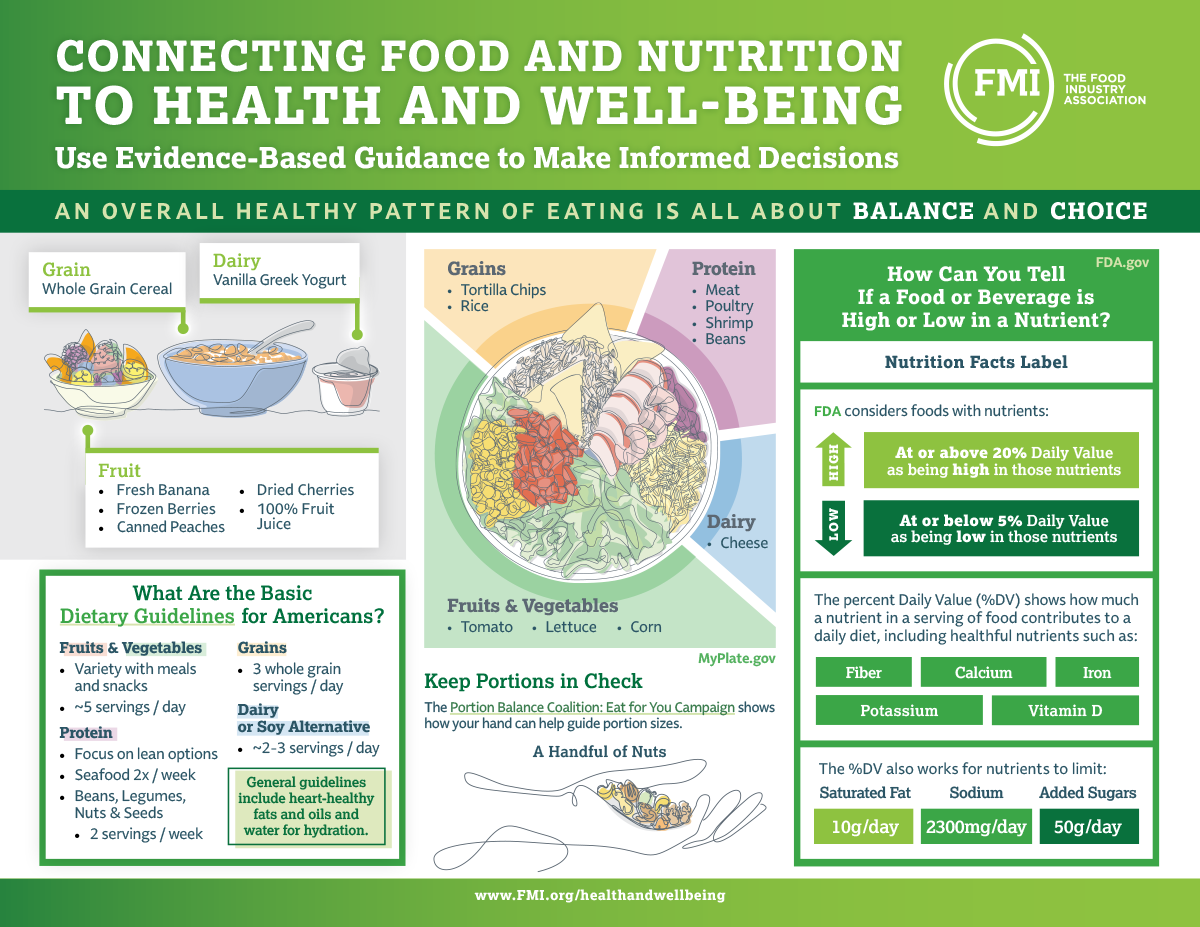
In a groundbreaking series of studies presented at the 2026 International Nutrition Science Conference in Geneva, researchers have unveiled discoveries that could significantly impact dietary guidelines and health management practices worldwide. As the new year unfolds, these insights bring fresh perspectives on how personalized nutrition can lead to better health outcomes.
From Microbiomes to Metabolism: The New Frontiers
The human gut microbiome has taken center stage in nutrition science, with recent studies revealing its profound impact on metabolic health and disease prevention. Dr. Emily Chen, a leading researcher at the University of California, explained in her keynote address, “We’ve identified specific microbiota that influence how individuals metabolize fats and carbohydrates, which can tailor personalized diets to improve health outcomes.”
These findings are supported by a 2025 study published in the Journal of Nutrition Science, which demonstrated that individuals with a higher diversity of gut bacteria showed improved responses to dietary interventions aimed at reducing obesity and type 2 diabetes.
Revisiting Dietary Fats
Another significant discovery involves the role of dietary fats in heart health. Contrary to previous beliefs that saturated fats were universally detrimental, recent research suggests that the source and context of fat consumption are critical. “Our studies indicate that natural saturated fats found in foods like nuts and avocados may have neutral or even beneficial effects on cardiovascular health,” stated Dr. Rajiv Patel of the National Institute of Health.
The 2025 meta-analysis, encompassing over 30 studies, showed that participants consuming these fats within a balanced diet experienced lower incidences of heart disease compared to those on low-fat diets.
The Rise of Plant-Based Alternatives
As the global population grapples with the dual challenges of health and sustainability, plant-based diets are receiving renewed scientific endorsement. Research highlighted at the conference emphasized the benefits of plant proteins in reducing inflammation and promoting longevity. “The shift towards plant-based nutrition is not just a dietary trend; it’s backed by substantial scientific evidence,” noted Dr. Lisa Nguyen, a nutritional epidemiologist.
Studies indicate that individuals adhering to predominantly plant-based diets exhibit a 30% lower risk of chronic diseases, such as heart disease and cancer, compared to those with high meat consumption.
Implications for Public Health Policy
These discoveries prompt a reevaluation of public health policies and dietary recommendations. Experts suggest that incorporating personalized nutrition strategies into national guidelines could significantly enhance public health outcomes. “It’s time for a paradigm shift,” urged Dr. Chen. “We need to move from one-size-fits-all dietary recommendations to more individualized approaches.”
Governments are beginning to take notice, with several countries initiating pilot programs that integrate personalized nutrition into healthcare systems.
As 2026 progresses, the impact of these nutrition science discoveries will likely continue to unfold, offering new tools and strategies for individuals and healthcare providers. With the promise of better health outcomes and increased longevity, the future of nutrition science looks both promising and transformative.
Leave a Reply