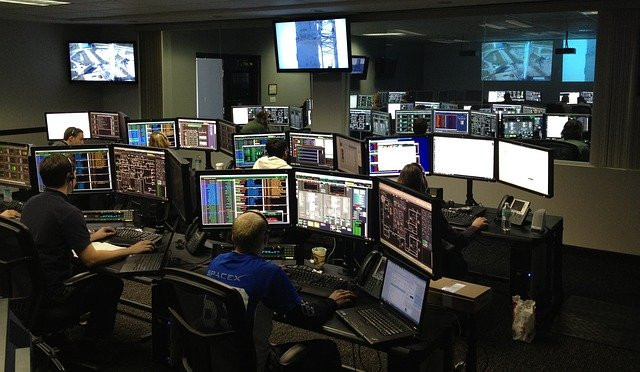
As we step into 2026, the cybersecurity landscape continues to evolve at a breakneck pace, with emerging threats challenging both businesses and individuals alike. Experts warn that the sophistication of cyberattacks has reached new heights, necessitating innovative defensive strategies and heightened awareness.
AI-Driven Attacks: A Double-Edged Sword
Artificial intelligence, once a tool primarily for defense, is now being leveraged by cybercriminals to launch more sophisticated attacks. ‘AI has become a double-edged sword,’ notes Dr. Emily Chen, a cybersecurity expert at the Cyber Defense Institute. ‘Attackers are using AI to automate tasks such as vulnerability scanning and spear-phishing, making their campaigns more effective and harder to detect.’
According to a recent report by CyberSecurity Ventures, AI-driven cybercrime is expected to cost the global economy over $10 trillion annually by the end of the decade, underlining the urgent need for AI-powered defense mechanisms.
Supply Chain Vulnerabilities: A Growing Concern
Supply chain attacks have surged as a preferred method for cybercriminals seeking to exploit interconnected networks. In 2025 alone, attacks on supply chains increased by 37%, as reported by the Global Cybersecurity Association. These attacks often involve infiltrating a trusted supplier to access a target network, bypassing traditional security defenses.
‘Organizations must prioritize supply chain security by implementing rigorous vetting processes and continuous monitoring,’ advises Jack Martinez, Chief Security Officer at SecureTech Solutions.
The Rise of Quantum Computing: Preparing for the Future
Quantum computing is on the horizon, promising unparalleled computational power. While its full potential is yet to be realized, experts emphasize the need for quantum-resistant cryptography. ‘The advent of quantum computers could render current encryption methods obsolete,’ warns Dr. Ravi Patel, a quantum computing researcher. ‘It’s crucial that we develop quantum-safe solutions now to protect future communications.’
Human Element: Still the Weakest Link
Despite advancements in technology, human error remains a significant vulnerability. Social engineering attacks, such as phishing, continue to exploit unsuspecting users. In 2025, 85% of reported data breaches involved a human element, according to the Data Breach Investigations Report by TechSecure Group.
Training and awareness programs are essential in mitigating these risks. ‘Education is key,’ says Sarah Lewis, Director of Cyber Awareness at CyberGuard. ‘We must empower individuals to recognize and respond to potential threats effectively.’
Conclusion: A Call to Action
The cybersecurity landscape of 2026 presents both challenges and opportunities. As threats become more sophisticated, the need for comprehensive and proactive strategies is more critical than ever. Businesses and individuals must stay informed and adapt to these changes to safeguard their digital assets.
As cyber threats continue to evolve, collaboration between governments, industries, and cybersecurity professionals remains vital in developing robust defenses against the digital threats of tomorrow.
Leave a Reply