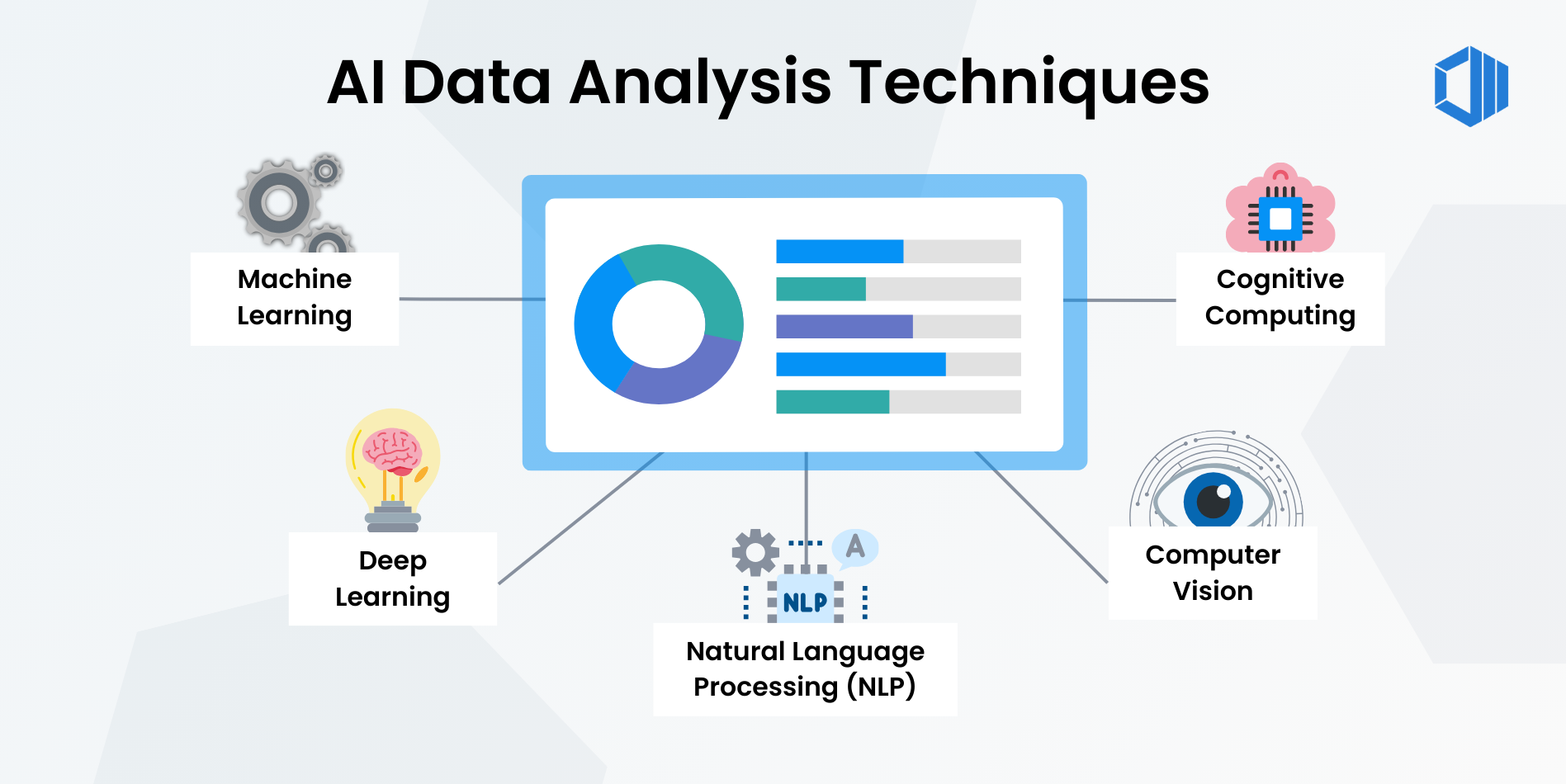
As we step into 2026, the landscape of artificial intelligence and machine learning has undergone remarkable transformations. With groundbreaking innovations emerging from research labs worldwide, these technologies are poised to redefine industrial operations, enhance decision-making processes, and introduce new paradigms of efficiency across various sectors.
Revolutionizing Healthcare with AI
The healthcare industry continues to be a major beneficiary of AI advancements. This year, machine learning algorithms have significantly improved diagnostic accuracy, particularly in detecting diseases at early stages. According to a recent study published by the Journal of Medical AI, early diagnosis of cancers using AI algorithms has reached an accuracy rate of 95%, a notable improvement from 85% in 2023.
Dr. Emily Chen, a leading AI researcher at the Institute of Health Technologies, emphasized the potential of these advancements. “AI-driven diagnostics are not just about accuracy; they’re about accessibility. With the democratization of AI tools, we’re seeing faster and more cost-effective solutions reaching under-resourced regions,” said Dr. Chen.
AI’s Role in Financial Services
The financial sector is also experiencing a transformative phase. AI-driven algorithms are now widely used for risk assessment, fraud detection, and personalized banking solutions. A report by FinTech Insights reveals that the integration of AI in financial services has reduced fraud-related losses by 40% compared to figures from 2024.
“The ability of AI to analyze vast datasets and detect anomalies has been a game-changer for the financial industry,” noted Raj Patel, CTO of SecureFinance Inc. “This not only enhances security but also allows for more personalized customer experiences.”
AI in Manufacturing and Supply Chain Management
Manufacturing and supply chain operations are also being reshaped by AI technologies. Predictive analytics and automated processes have led to a 30% increase in operational efficiency, according to a study by the Global Manufacturing Institute. These improvements are crucial as companies strive to meet the growing demand while maintaining sustainability.
“We’ve reached a point where AI is integral to predictive maintenance and quality control,” explained Sophie Nguyen, a senior analyst at the Industrial AI Summit. “Companies that embrace these technologies are seeing substantial benefits in terms of reduced downtime and improved product quality.”
The Ethical Considerations of AI
While the advancements are promising, they also raise ethical concerns. The growing reliance on AI prompts discussions around data privacy, algorithmic biases, and the potential displacement of jobs. Industry leaders are advocating for a balanced approach that fosters innovation while ensuring ethical standards are upheld.
“It’s crucial that as we advance, we also address the ethical implications of AI deployment,” urged Dr. Marcus Lee, Chair of the AI Ethics Council. “Transparent AI systems, regulatory oversight, and inclusive policies are essential to harnessing AI’s potential responsibly.”
Conclusion
The breakthroughs in AI and machine learning in 2026 are undeniably setting the stage for a more efficient and innovative future. As these technologies continue to evolve, the challenge remains to leverage their capabilities responsibly, ensuring they benefit society as a whole.
Leave a Reply