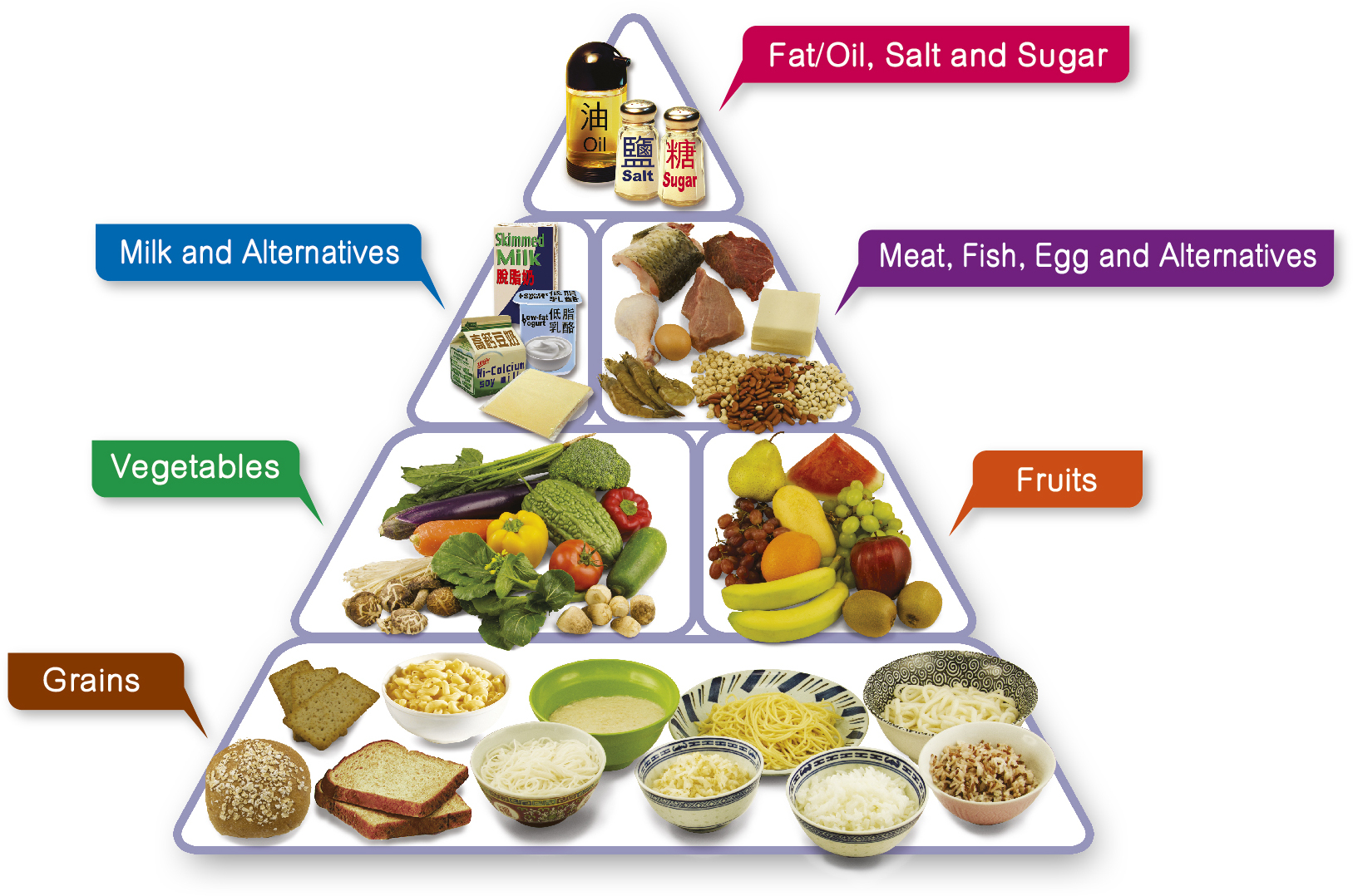

In a series of groundbreaking studies, nutrition scientists have unveiled findings that could transform dietary guidelines and revolutionize personal health management. As we step into 2026, these discoveries promise to offer new strategies for tackling major health issues, including obesity, diabetes, and cardiovascular diseases.
One of the most significant revelations comes from a study conducted by the International Nutrition Research Foundation (INRF), which highlights the impact of personalized nutrition. The research, published in the January edition of the Journal of Nutrition Science, suggests that individual genetic and microbiome profiles play a crucial role in determining optimal dietary strategies. Dr. Eliza Chen, lead researcher, notes, “Our findings indicate that a one-size-fits-all approach to nutrition is outdated. Instead, personalized nutrition plans tailored to an individual’s genetic makeup can significantly enhance health outcomes.”
Complementing this study, another groundbreaking discovery from the University of Health Sciences in Stockholm reveals the potential of plant-based diets in preventing chronic diseases. Researchers found that specific plant compounds, known as phytochemicals, have a profound impact on reducing inflammation and boosting immune function. “The data underscore the importance of including a variety of plant-based foods in our diets,” explains Dr. Lars Nyman, co-author of the study. “These compounds act as natural protectors against diseases that have been on the rise globally.”
Statistics from the Global Health Organization (GHO) further support these findings, indicating that populations with high intake of plant-based diets report lower incidences of heart disease and type 2 diabetes. The GHO is now considering policy recommendations that could see these insights integrated into national dietary guidelines worldwide.
Moreover, a separate study focusing on omega-3 fatty acids, conducted by the Nutrition and Wellness Institute in Canada, has shown promising results in cognitive health. The study, which tracked over 1,000 participants over five years, found that those with higher dietary intake of omega-3s exhibited slower cognitive decline compared to those with lower intakes. “This serves as a critical reminder of the importance of balanced consumption of essential fats, particularly in aging populations,” states Dr. Michael Kearney, senior researcher.
These findings are not only essential for health professionals but also for individuals keen on improving their health and longevity. With these insights, the landscape of nutrition science is poised for a significant shift, encouraging a more holistic and personalized approach to diet and health.
As these discoveries continue to be validated and integrated into public health policies, they offer hope for a healthier global population. Experts urge individuals to stay informed and consult with healthcare professionals to adapt their diets to these emerging guidelines effectively.
Leave a Reply