James Mitchell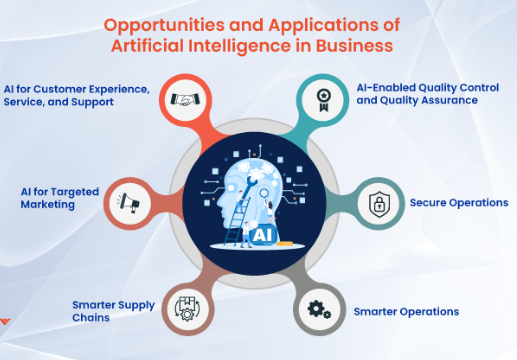
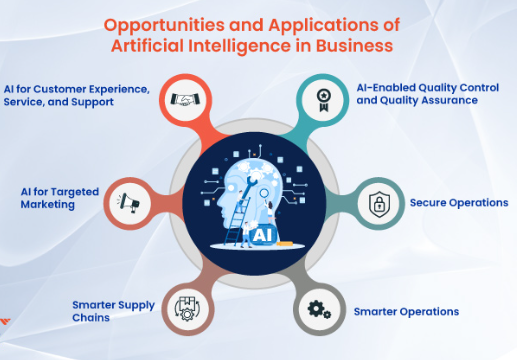
As we step into 2026, artificial intelligence (AI) and machine learning are not just buzzwords but transformative forces reshaping the global landscape. From revolutionizing healthcare diagnostics to redefining financial modeling, the breakthroughs in these fields are proving to be game-changers.
Healthcare Revolutionized with AI
The healthcare industry is witnessing unprecedented advancements thanks to AI. Algorithms capable of analyzing complex medical data are now aiding in early disease detection and personalized treatment plans. According to Dr. Emily Carter, a leading AI researcher at the National Health Institute, “AI-driven diagnostics have reduced the error rate by 30% in identifying critical illnesses such as cancer.” This progress is not only enhancing patient outcomes but also alleviating the burden on healthcare professionals.
Financial Sector Embraces Intelligent Automation
In finance, AI is streamlining operations and enhancing decision-making processes. Financial institutions are leveraging machine learning models to predict market trends with higher accuracy. John Liu, Chief Analyst at Global Finance Insights, notes, “Machine learning algorithms are delivering predictions with a 95% accuracy rate, enabling smarter investment decisions and risk management.” This level of precision is reshaping how financial strategies are formulated and executed.
AI Ethics and Regulation: A Growing Focus
With AI’s growing influence, the conversation around ethics and regulation is gaining momentum. Policymakers and technologists are collaborating to ensure that AI deployment is both ethical and beneficial. Sarah Thompson, a policy advisor at TechReg, emphasizes, “It’s crucial to have robust regulations that prevent misuse while promoting innovation. We are seeing a global push towards establishing these frameworks.”
Education and Workforce Transformation
The rise of AI is also impacting education and workforce dynamics. Educational institutions are incorporating AI into curricula to prepare students for a tech-driven future. Meanwhile, companies are investing in reskilling programs to equip their workforce with AI competencies. “By 2030, we expect over 50% of jobs to require some level of AI proficiency,” states Michael Green, Director of the Institute for Future Work.
Looking Ahead
As AI continues to evolve, its potential to solve complex problems and drive innovation is limitless. Experts agree that the key to maximizing AI’s benefits lies in fostering collaboration across sectors and ensuring that ethical considerations keep pace with technological advances.
In conclusion, 2026 marks a pivotal year in the journey of AI and machine learning. As these technologies continue to integrate into various aspects of life, the world watches closely to see how they will shape a smarter, more efficient future.