Author: admin

  • Global Economic Outlook for 2026: Navigating Growth Amid Challenges

    As the calendar turns to 2026, the global economy is poised at a crucial juncture, grappling with a blend of promising growth prospects and formidable challenges. Economists and industry leaders are keenly observing shifts in macroeconomic trends, geopolitical tensions, and technological advancements that are set to shape the economic landscape in the coming months.

    According to the International Monetary Fund’s (IMF) latest projections, global economic growth is expected to reach 3.5% in 2026, marking a slight improvement from the previous year. This optimistic outlook is driven by robust performance in emerging markets and developing economies, while advanced economies are projected to maintain moderate growth.

    Emerging Markets Lead the Charge

    Emerging markets, particularly in Asia and Africa, are anticipated to be the engines of growth in 2026. China and India, the world’s second and third largest economies respectively, are projected to grow at rates of 5.2% and 6.8% respectively. “The resilience of these economies is largely attributed to strong domestic demand and strategic investments in technology and infrastructure,” notes Dr. Lila Nguyen, Chief Economist at the Global Economic Institute.

    However, experts caution that these regions are not without their challenges. “While growth prospects are positive, emerging markets must navigate risks such as inflationary pressures, currency volatility, and potential trade disruptions,” explains Raj Patel, Senior Analyst at MarketWatch International.

    Advanced Economies Face Modest Growth

    In contrast, advanced economies such as the United States, the Eurozone, and Japan are expected to experience more subdued growth rates, averaging around 2%. These economies continue to face headwinds from high inflation, labor market disruptions, and geopolitical uncertainties. “The ongoing energy transition and adjustments in supply chains are key factors influencing economic performance in these regions,” states Dr. Emily Carter, Professor of Economics at Harvard University.

    Moreover, the persistent impact of climate change poses additional risks, prompting calls for greater investment in sustainable infrastructure and green technologies. According to a recent report by the World Bank, addressing climate-related challenges could unlock significant economic opportunities, potentially adding up to $2 trillion in global GDP by 2030.

    Technological Innovation as a Growth Catalyst

    Technological innovation continues to be a pivotal driver of economic growth in 2026. The accelerated adoption of artificial intelligence, renewable energy, and digital transformation initiatives are reshaping industries and creating new avenues for economic expansion. “Companies that effectively leverage technology to enhance productivity and drive innovation are likely to outperform their peers,” remarks Jessica Lee, CEO of TechVision Analytics.

    Nevertheless, the rapid pace of technological change also necessitates proactive measures to address potential disruptions in labor markets and ensure equitable access to emerging opportunities.

    Conclusion: Navigating Uncertainty with Strategic Planning

    As the world navigates the complexities of 2026, strategic planning and adaptability will be crucial for governments, businesses, and individuals alike. By fostering collaboration, investing in sustainable practices, and embracing technological advancements, the global community can effectively harness the opportunities of this dynamic economic landscape.

    While challenges remain, the resilience and innovation demonstrated by key economic players offer a promising outlook for the year ahead, laying the foundation for sustained growth and prosperity.

  • Sustainable Business Practices: A 2026 Perspective

    In the face of escalating climate challenges, businesses around the globe are increasingly turning to sustainable practices as a core element of their operational strategies. As we step into 2026, these initiatives are no longer mere trends but essential components driving innovation and long-term success across industries.

    Growing Importance of Sustainability

    According to a recent report by the Global Sustainability Initiative, over 70% of companies worldwide have integrated environmental, social, and governance (ESG) criteria into their business models. This marks a significant increase from just 45% in 2020. The push towards sustainability is not only driven by regulatory requirements but also by a growing consumer demand for ethical and environmentally friendly products.

    “Sustainability is no longer optional,” says Dr. Emily Carter, an environmental economist at the Institute for Sustainable Development. “It is a necessity for businesses aiming to remain competitive and relevant in today’s market. Consumers are more informed and are choosing brands that reflect their values, which increasingly prioritize environmental stewardship.”

    Innovative Practices Leading the Charge

    Firms are harnessing technology to innovate and implement sustainable practices. For instance, tech giant GreenTech has introduced AI-driven solutions to optimize energy consumption, reducing their carbon footprint by 25% over the past two years. Similarly, the fashion industry is witnessing a transformation with companies like EcoWear using recycled materials and sustainable production processes to minimize waste.

    In the automotive sector, electric vehicle production has seen a remarkable surge, with global sales projected to exceed 20 million units this year. This shift is largely attributed to advancements in battery technology and a growing network of charging infrastructure, making electric vehicles more accessible and appealing to consumers.

    Challenges and Opportunities

    While the transition towards sustainability presents vast opportunities, it also poses significant challenges. The initial costs associated with implementing sustainable technologies can be prohibitive for small and medium enterprises. However, government incentives and green financing options are increasingly available to support these businesses in overcoming financial hurdles.

    “The key is collaboration,” notes John Mitchell, CEO of the Sustainability Alliance. “By working together, governments, businesses, and communities can share resources and knowledge to drive sustainable innovation. It’s about creating a network of support that encourages and facilitates sustainable growth.”

    Looking Ahead

    As we move further into 2026, the momentum behind sustainable business practices is expected to grow. Companies that have already embraced these changes are likely to lead in their respective industries, setting standards for others to follow. The emphasis on sustainability is not just about mitigating environmental impact but also about building resilient businesses that can thrive in a rapidly changing world.

    In conclusion, sustainable business practices are shaping the future of global commerce. As businesses continue to align their strategies with environmental goals, the path towards a more sustainable and equitable economy becomes clearer and more achievable.

  • Revolutionary Medical Breakthroughs Set to Transform Healthcare in 2026

    As the world ushers in 2026, the medical community is abuzz with excitement over a series of groundbreaking research breakthroughs that promise to reshape healthcare. From innovative cancer treatments to unprecedented gene editing techniques, these advancements are set to offer new hope to millions of patients worldwide.

    Precision Medicine Paves the Way for Cancer Treatment

    One of the most promising developments comes from the field of oncology. Researchers at the Global Cancer Institute have unveiled new precision medicine therapies that significantly increase the efficacy of cancer treatment. By tailoring therapies to the genetic profile of individual patients, these treatments have shown a 30% improvement in remission rates for certain types of leukemia and breast cancer. Dr. Emma Carter, a leading oncologist at the institute, remarked, “This marks a turning point in our battle against cancer, offering a personalized approach that was once thought to be the stuff of science fiction.”

    CRISPR Technology: A Genetic Revolution

    Meanwhile, advancements in CRISPR gene-editing technology are opening new frontiers in the treatment of genetic disorders. A recent study published in the Journal of Genetic Medicine highlights successful trials in editing out faulty genes responsible for cystic fibrosis and muscular dystrophy. Dr. James Lin, a geneticist involved in the study, stated, “We are on the brink of eradicating inherited conditions that have plagued families for generations. This is not just a medical breakthrough; it’s a humanitarian one.”

    AI and Machine Learning in Diagnostics

    Artificial intelligence continues to make strides in early disease detection and diagnostics. A collaborative effort between the Massachusetts Institute of Technology and several leading hospitals has resulted in an AI-driven diagnostic tool that detects early signs of Alzheimer’s disease with over 95% accuracy. “Early detection is crucial for managing Alzheimer’s, and AI gives us a powerful tool to intervene sooner,” said Dr. Alicia Gomez, a neurologist at MIT’s Brain Research Center.

    Telemedicine and Remote Monitoring

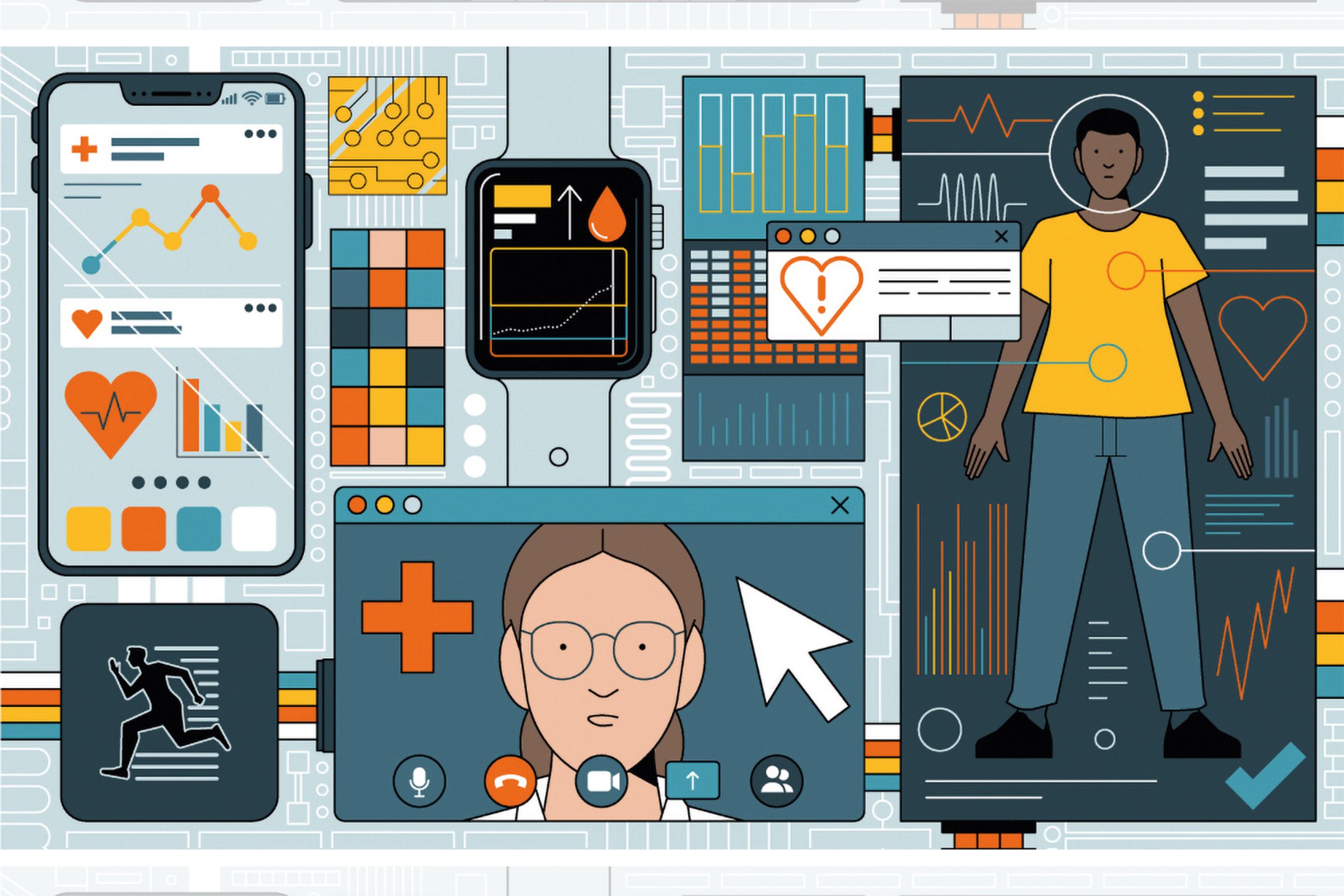
    Telemedicine has evolved to become an integral part of modern healthcare, especially with new advancements in remote patient monitoring. This year, a new suite of wearable devices was launched, capable of continuously monitoring vital signs and sending real-time data to healthcare providers. According to a report by the National Health Service, these devices have reduced hospital readmissions by 20%, highlighting their potential to enhance patient outcomes while reducing costs.

    Looking Ahead

    These medical research breakthroughs are not only transforming the landscape of disease management but also setting the stage for a future where healthcare is more personalized, predictive, and preventive. As these technologies continue to develop, they hold the promise of improving quality of life and extending lifespans. As Dr. Carter aptly puts it, “We are entering an era where medicine is not just about treating diseases, but about maintaining health and well-being.”

    With continued investment and collaboration across the global medical community, 2026 is set to be a landmark year for medical innovation, one that will undoubtedly lead to better health outcomes for patients worldwide.

  • Quantum Leap: The Transformative Future of Quantum Computing

    In a world increasingly driven by technology, quantum computing stands on the precipice of transforming industries from cryptography to pharmaceuticals. As of January 2026, investments in quantum research have surged, with experts predicting that the next decade will see quantum computers become as integral to the global economy as traditional computers are today.

    The Rise of Quantum Technology

    Quantum computing, which leverages the peculiarities of quantum mechanics to process information, promises to outperform classical computers in solving complex problems. According to a recent report by the Quantum Computing Report, global spending on quantum technology is set to reach $25 billion by 2030, a significant leap from the $5 billion recorded in 2023.

    “We’re witnessing a paradigm shift,” said Dr. Emily Chen, a leading researcher at the Quantum Institute of Technology. “Quantum computers have the potential to revolutionize areas such as drug discovery, where they can simulate molecular interactions at unprecedented speeds.”

    Applications and Implications

    The applications of quantum computing are vast and varied. In finance, for instance, quantum algorithms could optimize trading strategies far more efficiently than current systems. In the realm of cybersecurity, quantum computers are poised to break existing encryption methods, necessitating new quantum-resistant algorithms.

    “The challenge is twofold: harnessing the power of quantum computing while also safeguarding our digital infrastructure against it,” noted James Li, a cybersecurity expert at SecureTech Labs. “The race is on to develop quantum-safe cryptography before quantum computers become commercially viable.”

    Industry Investments and Collaborations

    Major tech companies are spearheading the charge into the quantum frontier. Google, IBM, and Microsoft have increased their quantum research budgets significantly, while startups like Rigetti and IonQ are rapidly innovating. In December 2025, IBM announced the launch of a 127-qubit quantum processor, marking a significant milestone in quantum capability.

    Collaborations between academia, industry, and governments are also critical. The European Union’s Quantum Technologies Flagship initiative, with a budget of €1 billion, aims to push European countries to the forefront of quantum research and development.

    Challenges Ahead

    Despite the promising advancements, quantum computing faces significant hurdles. The technology remains in its nascent stages, with issues such as error rates and qubit stability posing formidable challenges. “Scalability is a major hurdle,” explained Dr. Raj Patel, a physicist at Quantum Leap Labs. “Building a fault-tolerant quantum computer requires not just technical innovation but also substantial material and financial resources.”

    Furthermore, the ethical implications of quantum computing, particularly in terms of privacy and data security, remain a topic of intense debate.

    Conclusion

    As we move further into 2026, the landscape of quantum computing continues to evolve rapidly. While the road to widespread adoption is fraught with challenges, the potential benefits are too significant to ignore. As Dr. Chen aptly put it, “Quantum computing is not just an incremental technological advancement; it is a fundamental shift that will redefine the boundaries of what is computationally possible.”

  • Navigating New Frontiers: The Startup Ecosystem and Venture Capital Trends in 2026

    The dawn of 2026 finds the startup ecosystem rife with opportunities and challenges, as venture capitalists (VCs) recalibrate their strategies to align with emerging technologies and sustainability goals. As the global economy continues its rapid transformation, the role of venture capital in fostering innovation has never been more crucial.

    Emerging Technologies Driving Change

    In recent years, sectors such as artificial intelligence, biotechnology, and clean energy have seen exponential growth, capturing the attention of investors worldwide. “We’re seeing a marked shift towards deep tech investments,” says Dr. Emily Tran, a leading venture capitalist and partner at InnovateVC. “Startups that are leveraging AI and machine learning to solve complex problems are particularly attractive to investors seeking long-term value.”

    According to a report by Global Venture Insights, AI startups alone have attracted over $150 billion in funding in the past year, a testament to their perceived potential to revolutionize industries from healthcare to logistics.

    Sustainability: A Priority for Investors

    As climate change continues to dominate global discourse, VCs are increasingly prioritizing sustainability in their investment strategies. “Investors are keenly aware of the role of startups in driving sustainable innovation,” notes John Martinez, CEO of GreenFront Capital. “There’s a significant push towards funding companies that develop technologies to reduce carbon footprints and promote environmental stewardship.”

    Statistics from the International Venture Capital Association highlight this trend, with investments in sustainable startups reaching $90 billion in 2025, reflecting a 30% increase from the previous year.

    Geopolitical Shifts and Their Impact

    Geopolitical dynamics also play a pivotal role in shaping the startup landscape. The recent easing of trade tensions between major economies has facilitated cross-border investments, broadening the scope for international collaboration. “The normalization of relations between the US and China has opened up new avenues for startups looking to expand globally,” remarks Dr. Tran. “This geopolitical stability is a boon for the venture capital ecosystem, encouraging more diversified and resilient portfolios.”

    The Role of Government and Regulation

    Government policies and regulations continue to influence the startup and VC sectors. Many countries are implementing tax incentives and streamlined regulatory frameworks to attract startups and investors. “Supportive government policies are critical in nurturing innovation,” says Martinez. “Countries that provide a conducive environment for startups invariably see a boost in both local and foreign investments.”

    However, challenges remain as regulatory landscapes evolve, particularly in areas such as data privacy and intellectual property rights, which require careful navigation by startups and investors alike.

    Conclusion: Adapting to a Dynamic Ecosystem

    As we progress through 2026, the startup ecosystem’s resilience will be tested by an ever-evolving market landscape. Venture capitalists are tasked with balancing short-term returns with long-term sustainability, all while navigating new technological and geopolitical realities. The startups that succeed will be those that not only innovate but also adapt to the shifting paradigms of this dynamic ecosystem.

  • Cryptocurrency and Digital Finance: Navigating the Transformational Landscape in 2026

    In 2026, the financial world stands at a pivotal crossroads as cryptocurrencies and digital finance technologies reshape the economic landscape. With innovations in blockchain, decentralized finance (DeFi), and increased regulatory involvement, the sector is witnessing a transformative era that promises to redefine traditional financial systems.

    The Rise of Digital Currencies

    The journey of cryptocurrencies from niche digital assets to mainstream financial instruments has been nothing short of remarkable. Bitcoin, Ethereum, and a host of other digital currencies have not only survived but thrived, achieving a market capitalization of over $3 trillion as of January 2026, according to CoinMarketCap data. This growth reflects a broader acceptance of digital currencies as viable alternatives to traditional fiat money.

    “Cryptocurrencies have become an integral part of the global financial ecosystem,” says Dr. Lena Martinez, a leading blockchain analyst. “What started as a technological experiment is now influencing central bank policies and reshaping how we perceive money and value.”

    Decentralized Finance on the Rise

    Decentralized Finance, or DeFi, continues to gain traction, offering users decentralized alternatives to traditional financial services such as lending, borrowing, and trading. DeFi platforms, leveraging blockchain technology, have surpassed $250 billion in total value locked (TVL) as of this month, marking a significant milestone in the digital finance realm.

    “DeFi is democratizing access to financial services,” notes Samuel Lee, CEO of a leading DeFi startup. “By removing intermediaries, we are empowering individuals to take control of their financial futures in ways previously unimaginable.”

    Regulatory Developments and Challenges

    As digital finance evolves, so does the regulatory landscape. Governments worldwide are grappling with how to effectively regulate these assets while encouraging innovation. The European Union, for instance, has recently implemented the Markets in Crypto-Assets Regulation (MiCA), setting a framework for trading and issuing crypto assets, which is expected to influence global regulatory standards.

    “Regulation is critical in ensuring the stability and security of digital finance,” claims Elaine Thompson, a senior policy advisor at the International Monetary Fund. “Striking the right balance will be key to fostering innovation while protecting consumers.”

    The Future of Digital Finance

    Looking ahead, the future of digital finance appears promising yet complex. The integration of artificial intelligence and machine learning with blockchain technology is expected to enhance transaction efficiency and security. Moreover, central bank digital currencies (CBDCs) are likely to play a significant role in bridging the gap between traditional finance and the new digital frontier.

    “We are on the brink of a new era in finance,” asserts Dr. Martinez. “The next few years will be instrumental in determining how digital finance integrates with our daily lives and the global economy.”

    As 2026 unfolds, the financial sector must navigate the challenges and opportunities presented by these innovations. Stakeholders from technology developers to policymakers will need to collaborate to ensure the responsible and inclusive development of digital finance, heralding a new chapter in economic history.

  • Rising Focus on Mental Health: Solutions for a Global Concern

    As the world steps into 2026, mental health awareness continues to be a pivotal topic in global health discussions. With the World Health Organization estimating that one in four people globally will experience mental health issues at some point in their lives, the need for comprehensive solutions is more pressing than ever.

    A Growing Concern

    The COVID-19 pandemic, which began in 2020, significantly exacerbated mental health problems worldwide, leaving a lasting impact that persists into the new year. According to recent data from the Global Mental Health Alliance, cases of anxiety and depression have surged by 25% globally since the onset of the pandemic.

    Dr. Emily Carter, a leading psychologist and the director of the Mental Wellness Institute, states, “The pandemic acted as a catalyst, highlighting existing flaws in mental health systems and underscoring the urgent need for reform and innovation. We must leverage this moment to implement sustainable changes.”

    Innovative Solutions in 2026

    In response to the escalating crisis, experts are advocating for a multi-faceted approach that includes policy reform, increased funding, and the integration of technology in mental health care. Governments worldwide are beginning to allocate more resources toward mental health services, recognizing the economic and social benefits of a mentally healthy population.

    Technological advancements are also playing a crucial role. Mental health apps and teletherapy have gained popularity, offering easily accessible support to those in need. “Technology has democratized mental health care, making it more accessible to diverse populations,” says Dr. Michael Lee, a digital health strategist. “However, it’s crucial to ensure these solutions are effective and secure, safeguarding users’ privacy and well-being.”

    The Role of Community and Education

    Community-based interventions and educational programs are emerging as effective tools in mental health prevention and management. Schools and workplaces are increasingly focusing on mental health literacy, equipping individuals with the tools to recognize and address mental health issues early.

    “Education is the foundation of change,” emphasizes Sarah Nguyen, a mental health educator. “By incorporating mental health education into school curriculums and workplace training, we can foster a culture of understanding and support, reducing stigma and promoting early intervention.”

    Challenges Ahead

    Despite these advancements, challenges remain. Stigma and lack of access to care continue to be significant barriers in many regions, particularly in low and middle-income countries. According to the United Nations, over 75% of people with mental disorders in these areas receive no treatment at all.

    Experts call for a global commitment to mental health, urging international cooperation and investment in mental health infrastructure. “A collective effort is essential,” Dr. Carter concludes. “Only through collaboration and innovation can we hope to address the mental health crisis effectively.”

    Conclusion

    As mental health awareness continues to grow in 2026, the focus on innovative solutions and comprehensive strategies offers hope for a healthier future. With a concerted effort from governments, communities, and individuals, the world can make significant strides in mental health care, ensuring support for those in need and building a more resilient society.

  • Revolutionizing Renewable Energy: Innovations Paving the Way for a Greener Future

    In January 2026, the renewable energy sector is experiencing a groundbreaking transformation, driven by technological advancements and a global push towards sustainable energy solutions. As nations strive to meet ambitious carbon neutrality goals, innovative approaches to harnessing renewable resources are at the forefront of this green revolution.

    Floating Solar Farms: Harnessing Sunlight from Water

    One of the most promising innovations in solar technology is the development of floating solar farms. These installations, which float on bodies of water, are gaining traction due to their ability to save valuable land space while reducing water evaporation and algae growth. According to a recent report by the International Energy Agency (IEA), floating solar capacity is expected to exceed 20 gigawatts by the end of 2026, a significant leap from just 3 gigawatts in 2023.

    “Floating solar farms represent a dual-use model that maximizes the utility of water reservoirs,” said Dr. Emily Carter, a leading renewable energy researcher at the Global Energy Institute. “This innovation not only increases solar capacity but also enhances water management, making it a win-win for both energy and environmental conservation.”

    Advanced Energy Storage Solutions

    Another crucial development in the renewable energy landscape is the advancement in energy storage technologies. As the intermittency of solar and wind energy remains a challenge, breakthroughs in battery storage are critical for ensuring a stable and reliable power supply. The latest generation of lithium-sulfur batteries, known for their high energy density and reduced environmental impact, are set to revolutionize the industry.

    “Energy storage is the backbone of renewable energy systems,” explained Mark Johnson, CEO of GreenTech Innovations. “With new battery technologies, we can store excess energy generated during peak production times and release it when demand is high, thereby smoothening the supply-demand curve.”

    Green Hydrogen: The Fuel of the Future

    As nations aim to decarbonize sectors like transportation and heavy industry, green hydrogen is emerging as a vital component of the renewable energy mix. Produced through electrolysis using renewable electricity, green hydrogen offers a zero-emission alternative to traditional fossil fuels. The Hydrogen Council projects that by 2030, hydrogen could power over 10 million vehicles worldwide.

    “Green hydrogen has the potential to transform hard-to-abate sectors,” said Sarah Lin, a senior analyst at the Renewable Energy Council. “Its versatility and scalability make it a key player in achieving deep decarbonization goals.”

    The Path Forward

    These innovations indicate a promising trajectory for the renewable energy sector, but challenges remain. Investment in infrastructure, regulatory support, and international cooperation are essential to realize the full potential of these technologies. As the world continues to grapple with the effects of climate change, the push for renewable energy solutions is more critical than ever.

    With continuous advancements and a global commitment to sustainability, the future of renewable energy looks bright. As stakeholders across the spectrum—from policymakers to entrepreneurs—rally to embrace these innovations, the transition to a greener future is not just a possibility; it’s an inevitability.

  • Revolutionizing Workouts: The Future of Fitness Technology in 2026

    As we step into 2026, the fitness industry is witnessing an unprecedented transformation driven by technological advancements. From AI-powered personal trainers to virtual reality-enhanced workouts, the integration of technology into fitness regimes is reshaping how we approach our health and exercise.

    The Rise of AI in Personal Training

    Artificial intelligence has cemented its place in the fitness industry, offering customized workout plans and real-time feedback. According to a recent study by the Global Wellness Institute, the use of AI in fitness apps has surged by 35% over the past year, indicating a growing reliance on technology to achieve fitness goals.

    “AI’s ability to analyze an individual’s performance and tailor workouts accordingly is a game-changer,” says Dr. Emily Cheng, a leading fitness technology researcher. “It not only personalizes the experience but also ensures that users are exercising safely and effectively.”

    Virtual Reality: A New Dimension in Workouts

    Virtual reality (VR) has moved beyond gaming and entertainment, becoming a staple in modern fitness routines. Today’s VR fitness applications offer immersive environments that make exercising both fun and engaging. Companies like FitVR have introduced interactive workouts that transport users to stunning locales, providing a unique and motivational setting for exercise.

    “The psychological benefits of VR in workouts are significant,” notes Mark Li, CEO of FitVR. “By creating an engaging and visually stimulating environment, users are more likely to stick to their routines and enjoy their fitness journey.”

    Wearable Tech: Beyond Steps and Calories

    Wearable technology has evolved from simple step counters to sophisticated devices capable of monitoring heart rate variability, sleep patterns, and even stress levels. The latest wearables are equipped with advanced sensors and AI algorithms that provide comprehensive health insights, enabling users to make informed decisions about their fitness and well-being.

    A report by TechHealth Insights projects that the wearable fitness tech market will reach $40 billion by 2028, driven by demand for more personalized health data and the integration of new features such as glucose monitoring and hydration tracking.

    The Impact on Mental Health

    With mental health becoming an increasingly important aspect of overall well-being, fitness technology is also focusing on this crucial area. Apps that combine physical exercise with mindfulness and meditation practices are gaining popularity. These platforms aim to reduce stress and anxiety, promoting a holistic approach to fitness.

    “We’ve seen a significant uptick in users engaging with our mental wellness features,” says Sarah Nguyen, product manager at MindFit. “Our goal is to provide a balanced approach to health, addressing both physical and mental well-being.”

    As technology continues to advance, the landscape of fitness is set to evolve even further. The integration of these cutting-edge tools not only enhances the effectiveness of workouts but also makes fitness more accessible and enjoyable for people of all ages and abilities. As we embrace these innovations, the future of health and wellness looks promising and exciting.

    For more updates on health and fitness technology, stay tuned to Newsena.

  • Cybersecurity in 2026: Navigating Emerging Threats and Trends

    As the world steps into 2026, the cybersecurity landscape is evolving at an unprecedented pace, driven by technological advancements and increasingly sophisticated cyber threats. With the global digital ecosystem expanding, experts stress the need for innovative defense strategies to safeguard sensitive information and infrastructure.

    Rising Threats in a Digital World

    Cybercriminals are becoming more adept, leveraging artificial intelligence (AI) and machine learning (ML) to orchestrate complex attacks. According to a recent report by Cybersecurity Ventures, global cybercrime costs are expected to reach $10.5 trillion annually by 2026, up from $3 trillion in 2015. These staggering figures highlight the urgent need for robust cybersecurity measures.

    John Simmons, chief technology officer at SecureTech Solutions, emphasizes the growing threat of AI-powered attacks. “AI is a double-edged sword. While it enhances our defensive capabilities, it also equips cybercriminals with the tools to launch more precise and damaging attacks,” he notes. “Organizations must stay one step ahead by integrating AI-driven cybersecurity solutions to mitigate such risks.”

    Emerging Trends in Cyber Defense

    In response to these threats, cybersecurity strategies are undergoing significant transformations. Zero Trust Architecture (ZTA) continues to gain traction as organizations shift away from traditional perimeter-based security models. By assuming that every request, whether within or outside the network, could be a potential threat, ZTA is designed to prevent unauthorized access at every stage.

    Mary Cheng, a cybersecurity analyst at TechGuard, highlights the importance of Zero Trust in the current climate. “The adoption of Zero Trust models is no longer optional but essential,” she asserts. “This approach ensures that every access request is verified and monitored, reducing the risk of data breaches significantly.”

    The Human Factor: A Persistent Challenge

    While technology plays a critical role in cybersecurity, human error remains a significant vulnerability. Phishing attacks, which exploit human weaknesses, continue to be a primary method for cybercriminals. A recent study by CyberSafe Institute found that 85% of data breaches involved a human element, underscoring the need for comprehensive employee training and awareness programs.

    “Cybersecurity is not just about technology; it’s about people,” says Laura Kim, Director of Cybersecurity Education at CyberGuard Academy. “Investing in regular training and fostering a culture of security mindfulness can significantly reduce the risk posed by human error.”

    Looking Ahead: The Future of Cybersecurity

    As organizations brace for the challenges of 2026, the integration of quantum computing into cybersecurity solutions is on the horizon. While still in its nascent stages, quantum computing promises to revolutionize encryption techniques, making it exponentially harder for cybercriminals to crack data.

    “Quantum computing could be a game-changer in cybersecurity,” predicts Raj Patel, a leading researcher at QuantumSecure Labs. “However, it also poses a potential threat if used by adversaries. Preparing for a quantum future must be a priority for cybersecurity experts worldwide.”

    In conclusion, the cybersecurity landscape in 2026 is marked by both unprecedented challenges and innovative solutions. As cyber threats become more sophisticated, the need for proactive and adaptive security measures is paramount. By embracing emerging technologies and fostering a culture of vigilance, organizations can better protect themselves against the ever-evolving cyber threats.