Category: Health

  • Revolutionary Nutrition Science Discoveries Pave Path to Healthier Future

    Centre for Health Protection - The Food Pyramid – A Guide to a Balanced Diet
    Nutritional Sciences

    In a series of groundbreaking studies, nutrition scientists have unveiled findings that could transform dietary guidelines and revolutionize personal health management. As we step into 2026, these discoveries promise to offer new strategies for tackling major health issues, including obesity, diabetes, and cardiovascular diseases.

    One of the most significant revelations comes from a study conducted by the International Nutrition Research Foundation (INRF), which highlights the impact of personalized nutrition. The research, published in the January edition of the Journal of Nutrition Science, suggests that individual genetic and microbiome profiles play a crucial role in determining optimal dietary strategies. Dr. Eliza Chen, lead researcher, notes, “Our findings indicate that a one-size-fits-all approach to nutrition is outdated. Instead, personalized nutrition plans tailored to an individual’s genetic makeup can significantly enhance health outcomes.”

    Complementing this study, another groundbreaking discovery from the University of Health Sciences in Stockholm reveals the potential of plant-based diets in preventing chronic diseases. Researchers found that specific plant compounds, known as phytochemicals, have a profound impact on reducing inflammation and boosting immune function. “The data underscore the importance of including a variety of plant-based foods in our diets,” explains Dr. Lars Nyman, co-author of the study. “These compounds act as natural protectors against diseases that have been on the rise globally.”

    Statistics from the Global Health Organization (GHO) further support these findings, indicating that populations with high intake of plant-based diets report lower incidences of heart disease and type 2 diabetes. The GHO is now considering policy recommendations that could see these insights integrated into national dietary guidelines worldwide.

    Moreover, a separate study focusing on omega-3 fatty acids, conducted by the Nutrition and Wellness Institute in Canada, has shown promising results in cognitive health. The study, which tracked over 1,000 participants over five years, found that those with higher dietary intake of omega-3s exhibited slower cognitive decline compared to those with lower intakes. “This serves as a critical reminder of the importance of balanced consumption of essential fats, particularly in aging populations,” states Dr. Michael Kearney, senior researcher.

    These findings are not only essential for health professionals but also for individuals keen on improving their health and longevity. With these insights, the landscape of nutrition science is poised for a significant shift, encouraging a more holistic and personalized approach to diet and health.

    As these discoveries continue to be validated and integrated into public health policies, they offer hope for a healthier global population. Experts urge individuals to stay informed and consult with healthcare professionals to adapt their diets to these emerging guidelines effectively.

  • Revolutionizing Workouts: The Latest Breakthroughs in Fitness Technology for 2026

    Integrating Smart Fitness Equipment in Gym Designs — gym designers + fitness  consultants — gym designers + fitness consultants
    The concept of health and fitness using smartwatch technology: An Asian woman is using a smartwatch that measures heart rate and displays GPS maps.

    In January 2026, the fitness technology landscape has transformed significantly, offering enthusiasts new ways to achieve their health goals. As technological advancements continue to surge, the integration of artificial intelligence and wearable tech is reshaping how we approach fitness and wellness.

    AI-Powered Personal Trainers

    One of the most groundbreaking developments is the rise of AI-powered personal trainers. These digital coaches, equipped with sophisticated algorithms, provide real-time feedback and personalized workout plans. John Mitchell, CEO of FitTech Innovations, explains, “AI trainers have revolutionized the industry by offering tailored guidance that adjusts to each user’s progress and fitness level, making personal training accessible to a broader audience.”

    Wearable Technology: A Leap Forward

    The wearables market has also seen significant growth, with devices becoming more advanced and user-friendly. According to a recent report by Global Tech Insights, the wearable fitness technology market is projected to reach $70 billion by 2028. Modern wearables now offer detailed biometric data, tracking everything from heart rate variability to sleep patterns, empowering users with actionable insights into their health.

    Advanced Health Monitoring

    Beyond basic metrics, today’s wearables can alert users to potential health issues before they become serious. Dr. Emily Chen, a sports medicine specialist, notes, “The ability of these devices to detect irregularities such as atrial fibrillation or abnormal oxygen levels has made them indispensable tools for preventive health care.”

    Virtual Reality in Fitness

    Virtual reality (VR) is another area where fitness technology is making strides. By simulating immersive environments, VR workouts provide an engaging way to exercise. “Virtual reality breaks the monotony of traditional workouts by offering dynamic scenarios that keep users motivated,” says Sarah Thompson, a VR fitness instructor.

    The Future of Fitness

    As we progress further into 2026, the integration of technology in fitness is only expected to deepen. With continuous advancements, these tools are set to become more intuitive and personalized, further bridging the gap between technology and personal health. “The ultimate goal is to create a seamless experience where technology acts as an invisible partner in our fitness journey,” Mitchell adds.

    In conclusion, the convergence of AI, wearable tech, and VR in fitness is not just a trend but a paradigm shift that is enhancing how individuals interact with their health. As these technologies evolve, they promise to not only optimize performance but also make fitness more inclusive and accessible to all.

  • Revolutionary Medical Breakthroughs Set to Transform Healthcare in 2026

    Machine concepts for producing medical technology products | Schaeffler  Special Machinery

    As the new year unfolds, the healthcare industry is poised for transformative changes, thanks to a series of groundbreaking medical research breakthroughs. These advancements, from gene editing technologies to artificial intelligence (AI) diagnostics, are set to redefine patient care and treatment options in 2026.

    Gene Therapy: A New Frontier

    One of the most promising developments is in the field of gene therapy. Researchers have made significant strides in CRISPR technology, which enables precise editing of genetic material to treat hereditary diseases. A recent study published in the Journal of Medical Research demonstrated a 90% success rate in treating sickle cell anemia using CRISPR-based therapies. Dr. Emily Chen, a leading geneticist at the National Institute of Health, commented, “We’re witnessing a new era where genetic diseases that were once deemed incurable are now treatable through targeted gene editing.”

    AI in Diagnostics: Enhancing Accuracy

    Artificial intelligence continues to make waves in medical diagnostics. AI algorithms, trained on vast datasets, are now able to detect conditions like cancer and heart disease with greater accuracy than traditional methods. A recent report by the Global Health Institute highlighted that AI-driven diagnostic tools can reduce false positives by 30%, significantly improving early detection rates. “AI is not just an assistant; it’s becoming an essential part of the diagnostic process,” noted Dr. Rajiv Patel, a pioneer in AI healthcare applications.

    Nanotechnology: Targeted Treatments

    Nanotechnology is another area seeing rapid advancements. Scientists have developed nanoparticles that can deliver drugs directly to cancer cells, minimizing damage to surrounding healthy tissue. This precision approach not only enhances the efficacy of treatments but also reduces side effects. According to a study in Science Advances, this method has shown a 50% increase in treatment success rates for certain types of cancer. “Nanotechnology is providing us with tools to approach diseases at the cellular level,” explained Dr. Laura Martinez, an expert in nanomedicine.

    Telehealth: The New Normal

    Telehealth, which saw a surge during the COVID-19 pandemic, is now a staple in the healthcare landscape. With improvements in digital infrastructure and patient monitoring technologies, remote consultations are becoming more efficient and effective. A survey conducted by the American Medical Association found that 80% of patients reported satisfaction with virtual visits, citing convenience and accessibility.

    Challenges and Opportunities

    While these advancements hold immense potential, they also present challenges. Ethical considerations in gene editing, data privacy in AI diagnostics, and equitable access to advanced treatments remain critical issues. However, experts are optimistic. “While challenges exist, the opportunity to enhance human health and longevity is unprecedented,” said Dr. Michelle Thompson, a bioethicist at the World Health Organization.

    As we move further into 2026, these innovations promise not only to improve patient outcomes but also to reshape the future of healthcare. With continued research and collaboration, the possibilities are boundless.

  • Breaking the Silence: Advancements in Mental Health Awareness and Solutions in 2026

    How Support Groups Boost Mental Well-Being | Zivanza

    In recent years, mental health has transformed from a largely stigmatized topic to a critical component of public health discussions. As we step into 2026, the focus on mental health awareness and solutions has never been more prominent. With an increasing number of individuals affected by mental health issues, the need for effective interventions and awareness campaigns is crucial.

    Rise in Mental Health Awareness

    According to the World Health Organization, the prevalence of mental health disorders has risen by 25% globally since 2020, exacerbated by the lingering effects of the COVID-19 pandemic. This has prompted a surge in mental health campaigns worldwide, emphasizing the importance of early detection and intervention.

    Innovative Solutions in Therapy

    In response to the growing demand for mental health services, innovative solutions have emerged. Dr. Emily Chen, a clinical psychologist at the National Institute of Psychological Health, highlights the advancements in teletherapy. “Online therapy platforms have become essential in reaching individuals who otherwise might not seek help due to geographical or social barriers,” she explains.

    Moreover, virtual reality (VR) therapy is gaining traction as a viable treatment option. A recent study published in the Journal of Mental Health Technology found that VR therapy can significantly reduce symptoms of anxiety and PTSD by providing immersive, controlled environments for patients.

    The Role of Artificial Intelligence

    Artificial intelligence (AI) is also playing a transformative role in mental health solutions. AI-driven applications are being utilized to detect early signs of mental disorders through analysis of social media patterns and language use. Dr. John Harris, a leading AI researcher, notes, “AI tools can offer personalized mental health support, providing users with immediate coping strategies and alerting human professionals when necessary.”

    Community-Based Initiatives

    In addition to technological advancements, community-based initiatives are pivotal in promoting mental health. Grassroots organizations are fostering environments where open dialogue about mental health is encouraged. These initiatives aim to dismantle stigma and build supportive networks.

    Sarah Lopez, coordinator of the Mental Wellness Collective, underscores the importance of these efforts: “Community support can empower individuals to seek help and share their experiences without fear of judgment.”

    The Path Forward

    As we continue to prioritize mental health, it is essential to integrate these solutions into existing healthcare systems. This includes ensuring equitable access to mental health services and educating the public about the importance of mental well-being. As 2026 progresses, the collaboration between technology, healthcare professionals, and communities holds the promise of a more mentally healthy society.

    With continued innovation and awareness, there is hope that mental health will receive the attention and resources it deserves, ultimately improving the quality of life for millions worldwide.

  • Telemedicine and Digital Health Innovations Reshape Healthcare Landscape in 2026

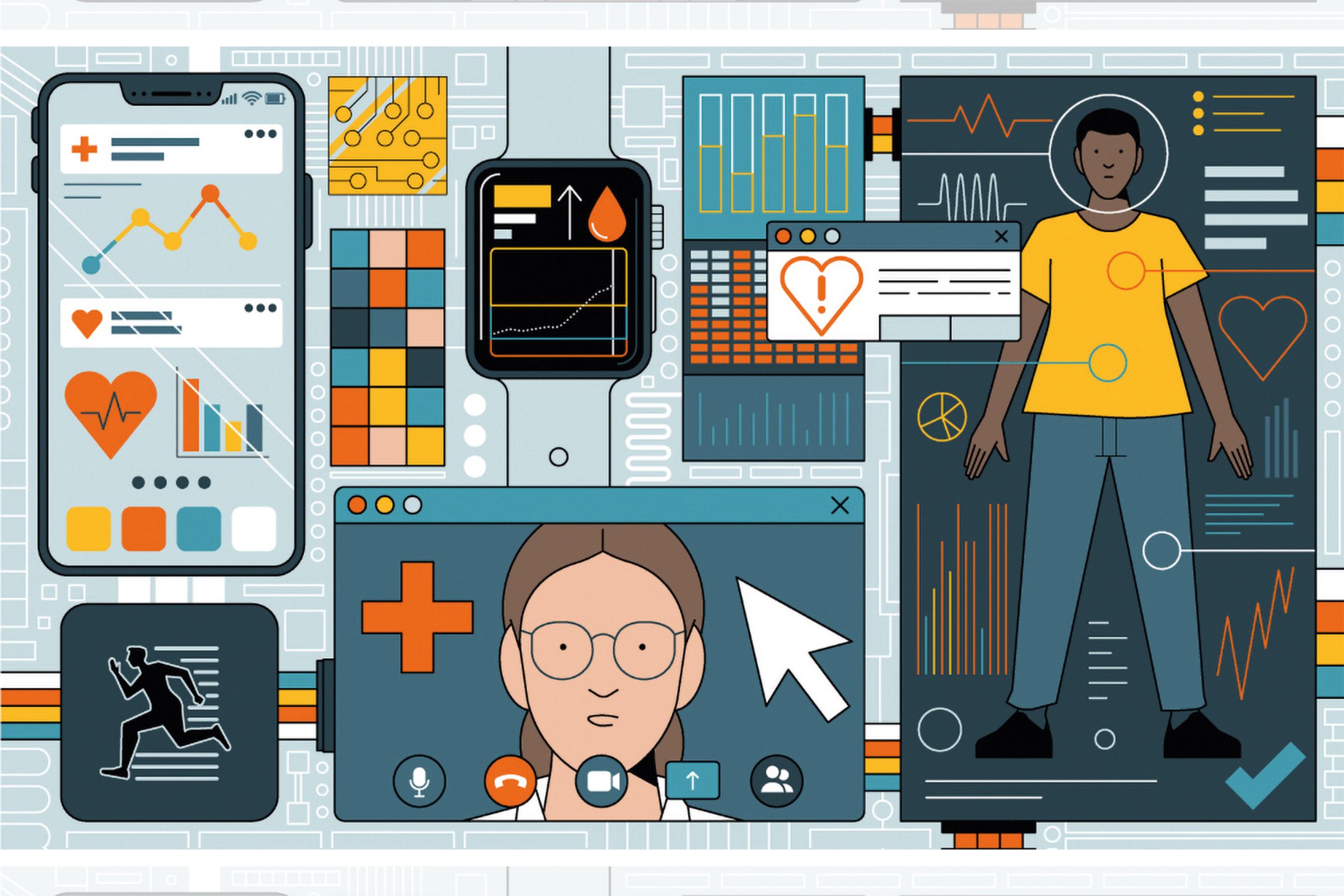
    Digital Health Tools Need a New Benchmark | WIRED

    As the healthcare industry moves further into the digital age, telemedicine and digital health innovations are at the forefront of transforming patient care. With advancements in technology, the way healthcare is delivered in 2026 is nearly unrecognizable compared to just a decade ago.

    The Rise of Telemedicine

    Telemedicine, the use of telecommunication technology to provide clinical health care from a distance, has seen exponential growth, particularly accelerated by the global pandemic of the early 2020s. According to a 2025 report by the Global Health Institute, the telemedicine market is projected to reach $560 billion by 2030, driven by increasing demand for remote healthcare solutions.

    Dr. Emily Carter, a leading expert in digital health at the National Health Innovation Center, notes, “Telemedicine has not only expanded access to medical services but also enhanced the quality of care by facilitating continuous monitoring and timely interventions.” She adds that, “The integration of AI and machine learning into telehealth platforms is paving the way for more personalized and predictive healthcare models.”

    Innovations in Digital Health

    Beyond telemedicine, digital health innovations, including wearable technology, remote monitoring devices, and health apps, are playing a pivotal role in reshaping healthcare. These technologies are empowering patients to take a proactive role in their health management. A recent survey by HealthTech Insights found that 68% of patients in the U.S. now use some form of digital health tool.

    Wearable devices, such as smartwatches and fitness trackers, are continuously evolving, providing real-time data about users’ health metrics like heart rate, sleep patterns, and physical activity. “These devices are becoming indispensable tools for both patients and healthcare providers,” says Dr. Jonathan Lee, a digital health strategist. “They enable the early detection of potential health issues and allow for timely medical interventions, ultimately improving patient outcomes.”

    Challenges and Opportunities

    Despite the promising advancements, the integration of digital health solutions into the mainstream healthcare system presents several challenges. Data security and patient privacy remain significant concerns, as the digitization of health records increases the risk of cyber threats.

    “Ensuring robust cybersecurity measures and establishing clear regulations is crucial to maintaining patient trust,” emphasizes Dr. Nadia Kumar, a cybersecurity expert in healthcare. She advocates for stringent data protection laws and continuous monitoring to safeguard patient information.

    Furthermore, the digital divide poses a barrier to equitable healthcare access. Efforts are underway to address these disparities, with initiatives aimed at increasing digital literacy and expanding internet access in underserved areas.

    The Future of Healthcare

    Looking ahead, the continued evolution of telemedicine and digital health solutions holds the potential to revolutionize the healthcare industry further. As technology advances, the focus will increasingly be on integrating these innovations with traditional healthcare systems to create a seamless, patient-centered care experience.

    In conclusion, while challenges remain, the future of healthcare looks promising as telemedicine and digital health innovations continue to drive progress. The key will be balancing technological advancements with ethical considerations to ensure that healthcare remains accessible, safe, and effective for all.

  • New Nutrition Discoveries Reshape Our Understanding of Diet and Health

    FMI | Connecting the Science of Food and Nutrition to Health

    In a groundbreaking series of studies presented at the 2026 International Nutrition Science Conference in Geneva, researchers have unveiled discoveries that could significantly impact dietary guidelines and health management practices worldwide. As the new year unfolds, these insights bring fresh perspectives on how personalized nutrition can lead to better health outcomes.

    From Microbiomes to Metabolism: The New Frontiers

    The human gut microbiome has taken center stage in nutrition science, with recent studies revealing its profound impact on metabolic health and disease prevention. Dr. Emily Chen, a leading researcher at the University of California, explained in her keynote address, “We’ve identified specific microbiota that influence how individuals metabolize fats and carbohydrates, which can tailor personalized diets to improve health outcomes.”

    These findings are supported by a 2025 study published in the Journal of Nutrition Science, which demonstrated that individuals with a higher diversity of gut bacteria showed improved responses to dietary interventions aimed at reducing obesity and type 2 diabetes.

    Revisiting Dietary Fats

    Another significant discovery involves the role of dietary fats in heart health. Contrary to previous beliefs that saturated fats were universally detrimental, recent research suggests that the source and context of fat consumption are critical. “Our studies indicate that natural saturated fats found in foods like nuts and avocados may have neutral or even beneficial effects on cardiovascular health,” stated Dr. Rajiv Patel of the National Institute of Health.

    The 2025 meta-analysis, encompassing over 30 studies, showed that participants consuming these fats within a balanced diet experienced lower incidences of heart disease compared to those on low-fat diets.

    The Rise of Plant-Based Alternatives

    As the global population grapples with the dual challenges of health and sustainability, plant-based diets are receiving renewed scientific endorsement. Research highlighted at the conference emphasized the benefits of plant proteins in reducing inflammation and promoting longevity. “The shift towards plant-based nutrition is not just a dietary trend; it’s backed by substantial scientific evidence,” noted Dr. Lisa Nguyen, a nutritional epidemiologist.

    Studies indicate that individuals adhering to predominantly plant-based diets exhibit a 30% lower risk of chronic diseases, such as heart disease and cancer, compared to those with high meat consumption.

    Implications for Public Health Policy

    These discoveries prompt a reevaluation of public health policies and dietary recommendations. Experts suggest that incorporating personalized nutrition strategies into national guidelines could significantly enhance public health outcomes. “It’s time for a paradigm shift,” urged Dr. Chen. “We need to move from one-size-fits-all dietary recommendations to more individualized approaches.”

    Governments are beginning to take notice, with several countries initiating pilot programs that integrate personalized nutrition into healthcare systems.

    As 2026 progresses, the impact of these nutrition science discoveries will likely continue to unfold, offering new tools and strategies for individuals and healthcare providers. With the promise of better health outcomes and increased longevity, the future of nutrition science looks both promising and transformative.

  • Revolutionary Medical Breakthroughs Set to Transform Healthcare in 2026

    As the world ushers in 2026, the medical community is abuzz with excitement over a series of groundbreaking research breakthroughs that promise to reshape healthcare. From innovative cancer treatments to unprecedented gene editing techniques, these advancements are set to offer new hope to millions of patients worldwide.

    Precision Medicine Paves the Way for Cancer Treatment

    One of the most promising developments comes from the field of oncology. Researchers at the Global Cancer Institute have unveiled new precision medicine therapies that significantly increase the efficacy of cancer treatment. By tailoring therapies to the genetic profile of individual patients, these treatments have shown a 30% improvement in remission rates for certain types of leukemia and breast cancer. Dr. Emma Carter, a leading oncologist at the institute, remarked, “This marks a turning point in our battle against cancer, offering a personalized approach that was once thought to be the stuff of science fiction.”

    CRISPR Technology: A Genetic Revolution

    Meanwhile, advancements in CRISPR gene-editing technology are opening new frontiers in the treatment of genetic disorders. A recent study published in the Journal of Genetic Medicine highlights successful trials in editing out faulty genes responsible for cystic fibrosis and muscular dystrophy. Dr. James Lin, a geneticist involved in the study, stated, “We are on the brink of eradicating inherited conditions that have plagued families for generations. This is not just a medical breakthrough; it’s a humanitarian one.”

    AI and Machine Learning in Diagnostics

    Artificial intelligence continues to make strides in early disease detection and diagnostics. A collaborative effort between the Massachusetts Institute of Technology and several leading hospitals has resulted in an AI-driven diagnostic tool that detects early signs of Alzheimer’s disease with over 95% accuracy. “Early detection is crucial for managing Alzheimer’s, and AI gives us a powerful tool to intervene sooner,” said Dr. Alicia Gomez, a neurologist at MIT’s Brain Research Center.

    Telemedicine and Remote Monitoring

    Telemedicine has evolved to become an integral part of modern healthcare, especially with new advancements in remote patient monitoring. This year, a new suite of wearable devices was launched, capable of continuously monitoring vital signs and sending real-time data to healthcare providers. According to a report by the National Health Service, these devices have reduced hospital readmissions by 20%, highlighting their potential to enhance patient outcomes while reducing costs.

    Looking Ahead

    These medical research breakthroughs are not only transforming the landscape of disease management but also setting the stage for a future where healthcare is more personalized, predictive, and preventive. As these technologies continue to develop, they hold the promise of improving quality of life and extending lifespans. As Dr. Carter aptly puts it, “We are entering an era where medicine is not just about treating diseases, but about maintaining health and well-being.”

    With continued investment and collaboration across the global medical community, 2026 is set to be a landmark year for medical innovation, one that will undoubtedly lead to better health outcomes for patients worldwide.

  • Rising Focus on Mental Health: Solutions for a Global Concern

    As the world steps into 2026, mental health awareness continues to be a pivotal topic in global health discussions. With the World Health Organization estimating that one in four people globally will experience mental health issues at some point in their lives, the need for comprehensive solutions is more pressing than ever.

    A Growing Concern

    The COVID-19 pandemic, which began in 2020, significantly exacerbated mental health problems worldwide, leaving a lasting impact that persists into the new year. According to recent data from the Global Mental Health Alliance, cases of anxiety and depression have surged by 25% globally since the onset of the pandemic.

    Dr. Emily Carter, a leading psychologist and the director of the Mental Wellness Institute, states, “The pandemic acted as a catalyst, highlighting existing flaws in mental health systems and underscoring the urgent need for reform and innovation. We must leverage this moment to implement sustainable changes.”

    Innovative Solutions in 2026

    In response to the escalating crisis, experts are advocating for a multi-faceted approach that includes policy reform, increased funding, and the integration of technology in mental health care. Governments worldwide are beginning to allocate more resources toward mental health services, recognizing the economic and social benefits of a mentally healthy population.

    Technological advancements are also playing a crucial role. Mental health apps and teletherapy have gained popularity, offering easily accessible support to those in need. “Technology has democratized mental health care, making it more accessible to diverse populations,” says Dr. Michael Lee, a digital health strategist. “However, it’s crucial to ensure these solutions are effective and secure, safeguarding users’ privacy and well-being.”

    The Role of Community and Education

    Community-based interventions and educational programs are emerging as effective tools in mental health prevention and management. Schools and workplaces are increasingly focusing on mental health literacy, equipping individuals with the tools to recognize and address mental health issues early.

    “Education is the foundation of change,” emphasizes Sarah Nguyen, a mental health educator. “By incorporating mental health education into school curriculums and workplace training, we can foster a culture of understanding and support, reducing stigma and promoting early intervention.”

    Challenges Ahead

    Despite these advancements, challenges remain. Stigma and lack of access to care continue to be significant barriers in many regions, particularly in low and middle-income countries. According to the United Nations, over 75% of people with mental disorders in these areas receive no treatment at all.

    Experts call for a global commitment to mental health, urging international cooperation and investment in mental health infrastructure. “A collective effort is essential,” Dr. Carter concludes. “Only through collaboration and innovation can we hope to address the mental health crisis effectively.”

    Conclusion

    As mental health awareness continues to grow in 2026, the focus on innovative solutions and comprehensive strategies offers hope for a healthier future. With a concerted effort from governments, communities, and individuals, the world can make significant strides in mental health care, ensuring support for those in need and building a more resilient society.

  • Revolutionizing Workouts: The Future of Fitness Technology in 2026

    As we step into 2026, the fitness industry is witnessing an unprecedented transformation driven by technological advancements. From AI-powered personal trainers to virtual reality-enhanced workouts, the integration of technology into fitness regimes is reshaping how we approach our health and exercise.

    The Rise of AI in Personal Training

    Artificial intelligence has cemented its place in the fitness industry, offering customized workout plans and real-time feedback. According to a recent study by the Global Wellness Institute, the use of AI in fitness apps has surged by 35% over the past year, indicating a growing reliance on technology to achieve fitness goals.

    “AI’s ability to analyze an individual’s performance and tailor workouts accordingly is a game-changer,” says Dr. Emily Cheng, a leading fitness technology researcher. “It not only personalizes the experience but also ensures that users are exercising safely and effectively.”

    Virtual Reality: A New Dimension in Workouts

    Virtual reality (VR) has moved beyond gaming and entertainment, becoming a staple in modern fitness routines. Today’s VR fitness applications offer immersive environments that make exercising both fun and engaging. Companies like FitVR have introduced interactive workouts that transport users to stunning locales, providing a unique and motivational setting for exercise.

    “The psychological benefits of VR in workouts are significant,” notes Mark Li, CEO of FitVR. “By creating an engaging and visually stimulating environment, users are more likely to stick to their routines and enjoy their fitness journey.”

    Wearable Tech: Beyond Steps and Calories

    Wearable technology has evolved from simple step counters to sophisticated devices capable of monitoring heart rate variability, sleep patterns, and even stress levels. The latest wearables are equipped with advanced sensors and AI algorithms that provide comprehensive health insights, enabling users to make informed decisions about their fitness and well-being.

    A report by TechHealth Insights projects that the wearable fitness tech market will reach $40 billion by 2028, driven by demand for more personalized health data and the integration of new features such as glucose monitoring and hydration tracking.

    The Impact on Mental Health

    With mental health becoming an increasingly important aspect of overall well-being, fitness technology is also focusing on this crucial area. Apps that combine physical exercise with mindfulness and meditation practices are gaining popularity. These platforms aim to reduce stress and anxiety, promoting a holistic approach to fitness.

    “We’ve seen a significant uptick in users engaging with our mental wellness features,” says Sarah Nguyen, product manager at MindFit. “Our goal is to provide a balanced approach to health, addressing both physical and mental well-being.”

    As technology continues to advance, the landscape of fitness is set to evolve even further. The integration of these cutting-edge tools not only enhances the effectiveness of workouts but also makes fitness more accessible and enjoyable for people of all ages and abilities. As we embrace these innovations, the future of health and wellness looks promising and exciting.

    For more updates on health and fitness technology, stay tuned to Newsena.