Tag: 2026

  • The Quantum Leap: Exploring the Future of Quantum Computing in 2026

    Quantum computers are here — but why do we need them and what ...

    In January 2026, the realm of quantum computing is more than just a scientific curiosity; it’s a burgeoning industry poised to redefine the landscape of technology and information processing. As tech giants and startups alike race to harness its capabilities, quantum computing is no longer a distant dream but an emerging reality with profound implications.

    The Quantum Advantage

    Quantum computing offers a quantum leap in processing power by utilizing quantum bits or qubits, which can represent and store information in multiple states simultaneously. This capability significantly outpaces classical computers in solving complex problems. Dr. Emily Chen, a leading researcher at the Quantum Computing Institute, explains, “The potential for quantum computing to solve problems in minutes that would take classical computers millennia is not just theoretical. We’re seeing practical applications emerging in fields like cryptography, material science, and artificial intelligence.”

    Industry Investment and Progress

    In 2025 alone, global investment in quantum computing exceeded $10 billion, a testament to its anticipated impact. Companies such as IBM, Google, and Microsoft, alongside emerging startups, have made significant strides. Google recently claimed a major breakthrough with its 256-qubit processor, a move that could accelerate quantum supremacy—the point at which quantum computers outperform classical ones in meaningful tasks.

    “Quantum computing is at the cusp of changing the way we approach data security and complex simulations,” said Raj Patel, CEO of QuantumTech Innovations. “Our latest algorithms are paving the way for more efficient drug discovery processes and renewable energy solutions.”

    Challenges and Considerations

    Despite its promise, quantum computing faces several hurdles. Maintaining qubit stability, known as coherence, remains a major challenge. Quantum systems are highly sensitive to environmental disturbances, which can lead to computational errors. Furthermore, the development of practical quantum algorithms is still in its infancy.

    “The path to widespread quantum computing is fraught with scientific and engineering challenges,” notes Dr. Sarah Lee, a quantum physicist at MIT. “However, the pace of innovation and collaboration across the globe is encouraging. If these challenges can be addressed, the possibilities are endless.”

    Looking Ahead

    As quantum computing continues to evolve, its implications for cybersecurity, data analysis, and even climate modeling are expected to be transformative. Many experts believe that the next decade will see quantum computing mature from a niche technology to a critical tool that could redefine industries.

    Governments and educational institutions are also ramping up efforts to prepare a new generation of quantum-savvy professionals. Initiatives to integrate quantum computing into curriculums are underway, aiming to equip students with the skills needed to operate and innovate in this field.

    Conclusion

    As we advance into 2026, the excitement surrounding quantum computing is palpable. While challenges remain, the relentless pursuit of innovation and investment suggests that quantum computing will soon transcend its current experimental phase, heralding a new era of technological advancement. For industries and individuals alike, staying informed and prepared for this quantum leap is not just advisable—it’s imperative.

  • The Future of Farming: Embracing Sustainable Agriculture Practices for a Resilient Planet

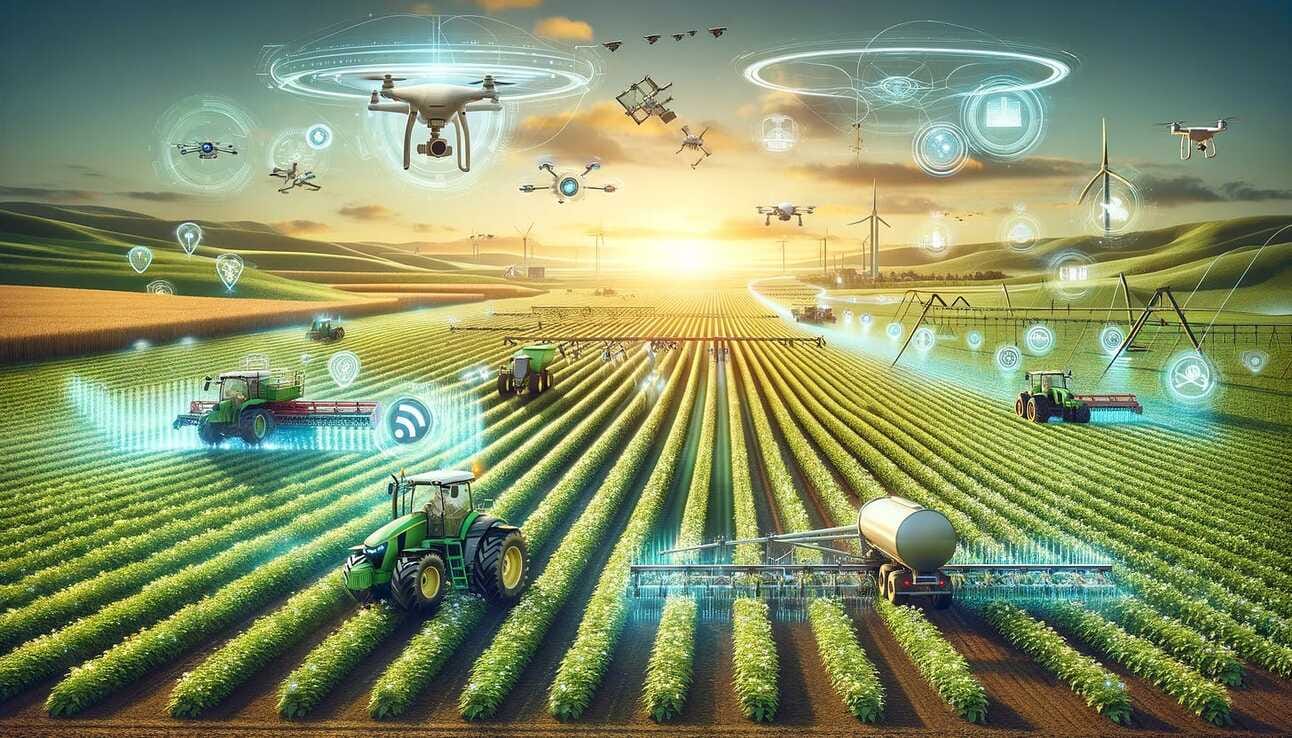
    Precision Agriculture: Navigating the Present and Future of Farming

    In the face of escalating climate change and a rapidly growing global population, sustainable agriculture practices are gaining traction as a vital component of ensuring food security and environmental health. The dawn of 2026 brings renewed focus on these practices, as governments and farmers worldwide strive to create a resilient and sustainable agricultural framework.

    A Shift Towards Sustainability

    Recent data from the Food and Agriculture Organization (FAO) reveals that agriculture accounts for approximately 24% of global greenhouse gas emissions, underscoring the urgent need for sustainable practices. As a result, a growing number of farmers are adopting methods that reduce environmental impact while maintaining productivity.

    Dr. Emily Rivera, an agronomist with the Global Institute for Sustainable Development, emphasizes the importance of this shift. “Sustainable agriculture is not just an option; it’s a necessity,” she explains. “By employing techniques like crop rotation, agroforestry, and organic farming, we can significantly mitigate the adverse effects of conventional farming on our ecosystems.”

    Innovative Practices Making a Difference

    One such practice gaining popularity is regenerative agriculture, which focuses on restoring soil health and biodiversity. A study published in the Journal of Environmental Management in late 2025 found that regenerative farms sequester up to 30% more carbon compared to traditional farms.

    “Healthy soil is the foundation of sustainable agriculture,” says Marco Lin, a sustainable farming consultant. “By using cover crops and reducing tillage, farmers can enhance soil fertility, improve water retention, and boost crop yields.”

    The Role of Technology

    Technology is also playing a pivotal role in advancing sustainable agriculture. Precision farming, which utilizes data analytics, GPS, and IoT devices, is helping farmers optimize resource use and minimize waste. According to a report by AgriTech Insights, farms employing precision agriculture techniques have seen a 20% reduction in water consumption and a 15% decrease in fertilizer use.

    “Technology is the great enabler,” asserts Lin. “With smart sensors and drones, we’re able to make real-time adjustments that maximize efficiency and sustainability.”

    Policy and Education: Keys to Adoption

    While the benefits of sustainable agriculture are evident, widespread adoption requires supportive policies and robust education initiatives. Governments are starting to take notice. In December 2025, the European Union launched a new subsidy program to incentivize farmers to transition to sustainable practices, allocating €1 billion over the next five years.

    Educational efforts are equally important. “Empowering farmers with knowledge and resources is crucial,” says Dr. Rivera. “Workshops, online courses, and farmer networks are essential tools in this transitional phase.”

    Conclusion

    As 2026 unfolds, the push for sustainable agriculture continues to gain momentum. With concerted efforts from policymakers, farmers, and industry leaders, the vision of a more sustainable and resilient food system is within reach. The journey towards sustainable agriculture is not just about preserving resources for future generations—it’s about ensuring the health and viability of our planet today.

  • Sustainable Business Practices: A 2026 Perspective

    In the face of escalating climate challenges, businesses around the globe are increasingly turning to sustainable practices as a core element of their operational strategies. As we step into 2026, these initiatives are no longer mere trends but essential components driving innovation and long-term success across industries.

    Growing Importance of Sustainability

    According to a recent report by the Global Sustainability Initiative, over 70% of companies worldwide have integrated environmental, social, and governance (ESG) criteria into their business models. This marks a significant increase from just 45% in 2020. The push towards sustainability is not only driven by regulatory requirements but also by a growing consumer demand for ethical and environmentally friendly products.

    “Sustainability is no longer optional,” says Dr. Emily Carter, an environmental economist at the Institute for Sustainable Development. “It is a necessity for businesses aiming to remain competitive and relevant in today’s market. Consumers are more informed and are choosing brands that reflect their values, which increasingly prioritize environmental stewardship.”

    Innovative Practices Leading the Charge

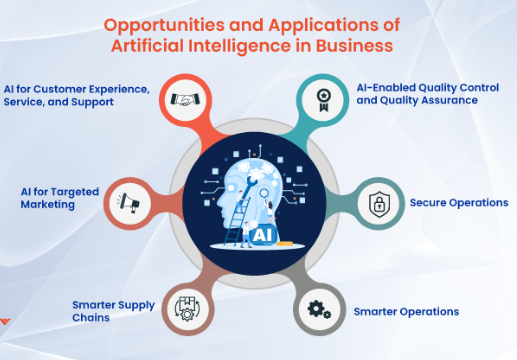
    Firms are harnessing technology to innovate and implement sustainable practices. For instance, tech giant GreenTech has introduced AI-driven solutions to optimize energy consumption, reducing their carbon footprint by 25% over the past two years. Similarly, the fashion industry is witnessing a transformation with companies like EcoWear using recycled materials and sustainable production processes to minimize waste.

    In the automotive sector, electric vehicle production has seen a remarkable surge, with global sales projected to exceed 20 million units this year. This shift is largely attributed to advancements in battery technology and a growing network of charging infrastructure, making electric vehicles more accessible and appealing to consumers.

    Challenges and Opportunities

    While the transition towards sustainability presents vast opportunities, it also poses significant challenges. The initial costs associated with implementing sustainable technologies can be prohibitive for small and medium enterprises. However, government incentives and green financing options are increasingly available to support these businesses in overcoming financial hurdles.

    “The key is collaboration,” notes John Mitchell, CEO of the Sustainability Alliance. “By working together, governments, businesses, and communities can share resources and knowledge to drive sustainable innovation. It’s about creating a network of support that encourages and facilitates sustainable growth.”

    Looking Ahead

    As we move further into 2026, the momentum behind sustainable business practices is expected to grow. Companies that have already embraced these changes are likely to lead in their respective industries, setting standards for others to follow. The emphasis on sustainability is not just about mitigating environmental impact but also about building resilient businesses that can thrive in a rapidly changing world.

    In conclusion, sustainable business practices are shaping the future of global commerce. As businesses continue to align their strategies with environmental goals, the path towards a more sustainable and equitable economy becomes clearer and more achievable.