Tag: AI

  • Revolutionizing Workouts: The Latest Breakthroughs in Fitness Technology for 2026

    Integrating Smart Fitness Equipment in Gym Designs — gym designers + fitness  consultants — gym designers + fitness consultants
    The concept of health and fitness using smartwatch technology: An Asian woman is using a smartwatch that measures heart rate and displays GPS maps.

    In January 2026, the fitness technology landscape has transformed significantly, offering enthusiasts new ways to achieve their health goals. As technological advancements continue to surge, the integration of artificial intelligence and wearable tech is reshaping how we approach fitness and wellness.

    AI-Powered Personal Trainers

    One of the most groundbreaking developments is the rise of AI-powered personal trainers. These digital coaches, equipped with sophisticated algorithms, provide real-time feedback and personalized workout plans. John Mitchell, CEO of FitTech Innovations, explains, “AI trainers have revolutionized the industry by offering tailored guidance that adjusts to each user’s progress and fitness level, making personal training accessible to a broader audience.”

    Wearable Technology: A Leap Forward

    The wearables market has also seen significant growth, with devices becoming more advanced and user-friendly. According to a recent report by Global Tech Insights, the wearable fitness technology market is projected to reach $70 billion by 2028. Modern wearables now offer detailed biometric data, tracking everything from heart rate variability to sleep patterns, empowering users with actionable insights into their health.

    Advanced Health Monitoring

    Beyond basic metrics, today’s wearables can alert users to potential health issues before they become serious. Dr. Emily Chen, a sports medicine specialist, notes, “The ability of these devices to detect irregularities such as atrial fibrillation or abnormal oxygen levels has made them indispensable tools for preventive health care.”

    Virtual Reality in Fitness

    Virtual reality (VR) is another area where fitness technology is making strides. By simulating immersive environments, VR workouts provide an engaging way to exercise. “Virtual reality breaks the monotony of traditional workouts by offering dynamic scenarios that keep users motivated,” says Sarah Thompson, a VR fitness instructor.

    The Future of Fitness

    As we progress further into 2026, the integration of technology in fitness is only expected to deepen. With continuous advancements, these tools are set to become more intuitive and personalized, further bridging the gap between technology and personal health. “The ultimate goal is to create a seamless experience where technology acts as an invisible partner in our fitness journey,” Mitchell adds.

    In conclusion, the convergence of AI, wearable tech, and VR in fitness is not just a trend but a paradigm shift that is enhancing how individuals interact with their health. As these technologies evolve, they promise to not only optimize performance but also make fitness more inclusive and accessible to all.

  • AI and Machine Learning Breakthroughs Reshape Industries in 2026

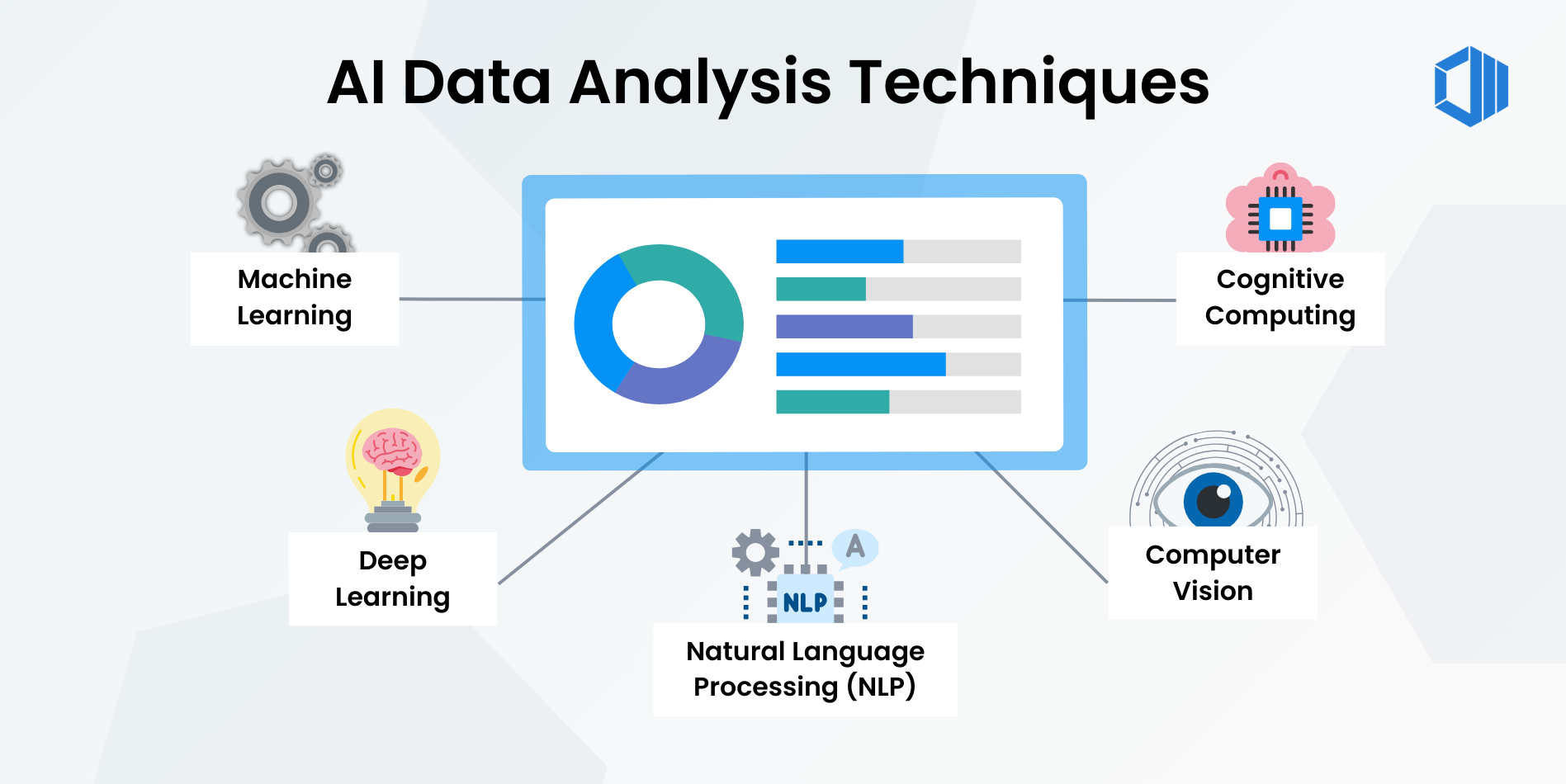
    AI in Data Analysis: How Artificial Inteligence Enhances Analytics?

    As we step into 2026, the landscape of artificial intelligence and machine learning has undergone remarkable transformations. With groundbreaking innovations emerging from research labs worldwide, these technologies are poised to redefine industrial operations, enhance decision-making processes, and introduce new paradigms of efficiency across various sectors.

    Revolutionizing Healthcare with AI

    The healthcare industry continues to be a major beneficiary of AI advancements. This year, machine learning algorithms have significantly improved diagnostic accuracy, particularly in detecting diseases at early stages. According to a recent study published by the Journal of Medical AI, early diagnosis of cancers using AI algorithms has reached an accuracy rate of 95%, a notable improvement from 85% in 2023.

    Dr. Emily Chen, a leading AI researcher at the Institute of Health Technologies, emphasized the potential of these advancements. “AI-driven diagnostics are not just about accuracy; they’re about accessibility. With the democratization of AI tools, we’re seeing faster and more cost-effective solutions reaching under-resourced regions,” said Dr. Chen.

    AI’s Role in Financial Services

    The financial sector is also experiencing a transformative phase. AI-driven algorithms are now widely used for risk assessment, fraud detection, and personalized banking solutions. A report by FinTech Insights reveals that the integration of AI in financial services has reduced fraud-related losses by 40% compared to figures from 2024.

    “The ability of AI to analyze vast datasets and detect anomalies has been a game-changer for the financial industry,” noted Raj Patel, CTO of SecureFinance Inc. “This not only enhances security but also allows for more personalized customer experiences.”

    AI in Manufacturing and Supply Chain Management

    Manufacturing and supply chain operations are also being reshaped by AI technologies. Predictive analytics and automated processes have led to a 30% increase in operational efficiency, according to a study by the Global Manufacturing Institute. These improvements are crucial as companies strive to meet the growing demand while maintaining sustainability.

    “We’ve reached a point where AI is integral to predictive maintenance and quality control,” explained Sophie Nguyen, a senior analyst at the Industrial AI Summit. “Companies that embrace these technologies are seeing substantial benefits in terms of reduced downtime and improved product quality.”

    The Ethical Considerations of AI

    While the advancements are promising, they also raise ethical concerns. The growing reliance on AI prompts discussions around data privacy, algorithmic biases, and the potential displacement of jobs. Industry leaders are advocating for a balanced approach that fosters innovation while ensuring ethical standards are upheld.

    “It’s crucial that as we advance, we also address the ethical implications of AI deployment,” urged Dr. Marcus Lee, Chair of the AI Ethics Council. “Transparent AI systems, regulatory oversight, and inclusive policies are essential to harnessing AI’s potential responsibly.”

    Conclusion

    The breakthroughs in AI and machine learning in 2026 are undeniably setting the stage for a more efficient and innovative future. As these technologies continue to evolve, the challenge remains to leverage their capabilities responsibly, ensuring they benefit society as a whole.

  • Cybersecurity Trends and Emerging Threats in 2026: What You Need to Know

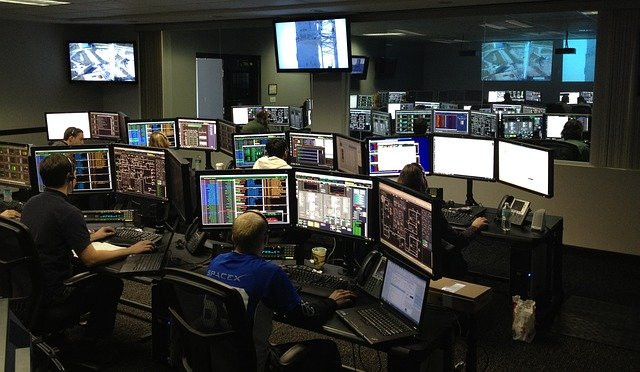
    Is The Enterprise Security Operations Center Effective?

    As we step into 2026, the cybersecurity landscape continues to evolve at a breakneck pace, with emerging threats challenging both businesses and individuals alike. Experts warn that the sophistication of cyberattacks has reached new heights, necessitating innovative defensive strategies and heightened awareness.

    AI-Driven Attacks: A Double-Edged Sword

    Artificial intelligence, once a tool primarily for defense, is now being leveraged by cybercriminals to launch more sophisticated attacks. ‘AI has become a double-edged sword,’ notes Dr. Emily Chen, a cybersecurity expert at the Cyber Defense Institute. ‘Attackers are using AI to automate tasks such as vulnerability scanning and spear-phishing, making their campaigns more effective and harder to detect.’

    According to a recent report by CyberSecurity Ventures, AI-driven cybercrime is expected to cost the global economy over $10 trillion annually by the end of the decade, underlining the urgent need for AI-powered defense mechanisms.

    Supply Chain Vulnerabilities: A Growing Concern

    Supply chain attacks have surged as a preferred method for cybercriminals seeking to exploit interconnected networks. In 2025 alone, attacks on supply chains increased by 37%, as reported by the Global Cybersecurity Association. These attacks often involve infiltrating a trusted supplier to access a target network, bypassing traditional security defenses.

    ‘Organizations must prioritize supply chain security by implementing rigorous vetting processes and continuous monitoring,’ advises Jack Martinez, Chief Security Officer at SecureTech Solutions.

    The Rise of Quantum Computing: Preparing for the Future

    Quantum computing is on the horizon, promising unparalleled computational power. While its full potential is yet to be realized, experts emphasize the need for quantum-resistant cryptography. ‘The advent of quantum computers could render current encryption methods obsolete,’ warns Dr. Ravi Patel, a quantum computing researcher. ‘It’s crucial that we develop quantum-safe solutions now to protect future communications.’

    Human Element: Still the Weakest Link

    Despite advancements in technology, human error remains a significant vulnerability. Social engineering attacks, such as phishing, continue to exploit unsuspecting users. In 2025, 85% of reported data breaches involved a human element, according to the Data Breach Investigations Report by TechSecure Group.

    Training and awareness programs are essential in mitigating these risks. ‘Education is key,’ says Sarah Lewis, Director of Cyber Awareness at CyberGuard. ‘We must empower individuals to recognize and respond to potential threats effectively.’

    Conclusion: A Call to Action

    The cybersecurity landscape of 2026 presents both challenges and opportunities. As threats become more sophisticated, the need for comprehensive and proactive strategies is more critical than ever. Businesses and individuals must stay informed and adapt to these changes to safeguard their digital assets.

    As cyber threats continue to evolve, collaboration between governments, industries, and cybersecurity professionals remains vital in developing robust defenses against the digital threats of tomorrow.

  • AI and Machine Learning Breakthroughs Usher in a New Era in 2026

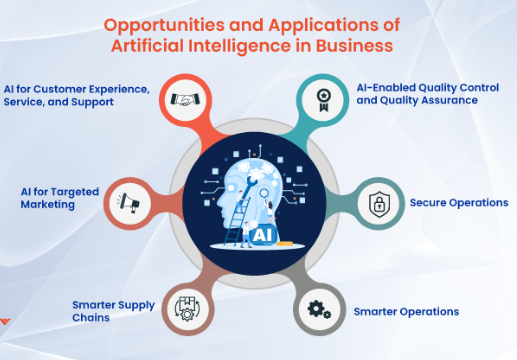
    AI in Business Operation: Maximizing Efficiency

    As we step into 2026, artificial intelligence (AI) and machine learning are not just buzzwords but transformative forces reshaping the global landscape. From revolutionizing healthcare diagnostics to redefining financial modeling, the breakthroughs in these fields are proving to be game-changers.

    Healthcare Revolutionized with AI

    The healthcare industry is witnessing unprecedented advancements thanks to AI. Algorithms capable of analyzing complex medical data are now aiding in early disease detection and personalized treatment plans. According to Dr. Emily Carter, a leading AI researcher at the National Health Institute, “AI-driven diagnostics have reduced the error rate by 30% in identifying critical illnesses such as cancer.” This progress is not only enhancing patient outcomes but also alleviating the burden on healthcare professionals.

    Financial Sector Embraces Intelligent Automation

    In finance, AI is streamlining operations and enhancing decision-making processes. Financial institutions are leveraging machine learning models to predict market trends with higher accuracy. John Liu, Chief Analyst at Global Finance Insights, notes, “Machine learning algorithms are delivering predictions with a 95% accuracy rate, enabling smarter investment decisions and risk management.” This level of precision is reshaping how financial strategies are formulated and executed.

    AI Ethics and Regulation: A Growing Focus

    With AI’s growing influence, the conversation around ethics and regulation is gaining momentum. Policymakers and technologists are collaborating to ensure that AI deployment is both ethical and beneficial. Sarah Thompson, a policy advisor at TechReg, emphasizes, “It’s crucial to have robust regulations that prevent misuse while promoting innovation. We are seeing a global push towards establishing these frameworks.”

    Education and Workforce Transformation

    The rise of AI is also impacting education and workforce dynamics. Educational institutions are incorporating AI into curricula to prepare students for a tech-driven future. Meanwhile, companies are investing in reskilling programs to equip their workforce with AI competencies. “By 2030, we expect over 50% of jobs to require some level of AI proficiency,” states Michael Green, Director of the Institute for Future Work.

    Looking Ahead

    As AI continues to evolve, its potential to solve complex problems and drive innovation is limitless. Experts agree that the key to maximizing AI’s benefits lies in fostering collaboration across sectors and ensuring that ethical considerations keep pace with technological advances.

    In conclusion, 2026 marks a pivotal year in the journey of AI and machine learning. As these technologies continue to integrate into various aspects of life, the world watches closely to see how they will shape a smarter, more efficient future.

  • Cybersecurity in 2026: Navigating Emerging Threats and Trends

    As the world steps into 2026, the cybersecurity landscape is evolving at an unprecedented pace, driven by technological advancements and increasingly sophisticated cyber threats. With the global digital ecosystem expanding, experts stress the need for innovative defense strategies to safeguard sensitive information and infrastructure.

    Rising Threats in a Digital World

    Cybercriminals are becoming more adept, leveraging artificial intelligence (AI) and machine learning (ML) to orchestrate complex attacks. According to a recent report by Cybersecurity Ventures, global cybercrime costs are expected to reach $10.5 trillion annually by 2026, up from $3 trillion in 2015. These staggering figures highlight the urgent need for robust cybersecurity measures.

    John Simmons, chief technology officer at SecureTech Solutions, emphasizes the growing threat of AI-powered attacks. “AI is a double-edged sword. While it enhances our defensive capabilities, it also equips cybercriminals with the tools to launch more precise and damaging attacks,” he notes. “Organizations must stay one step ahead by integrating AI-driven cybersecurity solutions to mitigate such risks.”

    Emerging Trends in Cyber Defense

    In response to these threats, cybersecurity strategies are undergoing significant transformations. Zero Trust Architecture (ZTA) continues to gain traction as organizations shift away from traditional perimeter-based security models. By assuming that every request, whether within or outside the network, could be a potential threat, ZTA is designed to prevent unauthorized access at every stage.

    Mary Cheng, a cybersecurity analyst at TechGuard, highlights the importance of Zero Trust in the current climate. “The adoption of Zero Trust models is no longer optional but essential,” she asserts. “This approach ensures that every access request is verified and monitored, reducing the risk of data breaches significantly.”

    The Human Factor: A Persistent Challenge

    While technology plays a critical role in cybersecurity, human error remains a significant vulnerability. Phishing attacks, which exploit human weaknesses, continue to be a primary method for cybercriminals. A recent study by CyberSafe Institute found that 85% of data breaches involved a human element, underscoring the need for comprehensive employee training and awareness programs.

    “Cybersecurity is not just about technology; it’s about people,” says Laura Kim, Director of Cybersecurity Education at CyberGuard Academy. “Investing in regular training and fostering a culture of security mindfulness can significantly reduce the risk posed by human error.”

    Looking Ahead: The Future of Cybersecurity

    As organizations brace for the challenges of 2026, the integration of quantum computing into cybersecurity solutions is on the horizon. While still in its nascent stages, quantum computing promises to revolutionize encryption techniques, making it exponentially harder for cybercriminals to crack data.

    “Quantum computing could be a game-changer in cybersecurity,” predicts Raj Patel, a leading researcher at QuantumSecure Labs. “However, it also poses a potential threat if used by adversaries. Preparing for a quantum future must be a priority for cybersecurity experts worldwide.”

    In conclusion, the cybersecurity landscape in 2026 is marked by both unprecedented challenges and innovative solutions. As cyber threats become more sophisticated, the need for proactive and adaptive security measures is paramount. By embracing emerging technologies and fostering a culture of vigilance, organizations can better protect themselves against the ever-evolving cyber threats.