Tag: climate change

  • Innovative Climate Change Mitigation Strategies Take Center Stage in 2026

    Advancements and Innovations in Renewable Energy Technologies

    In January 2026, the global effort to combat climate change has reached a critical juncture, with a surge of innovative strategies aiming to curb the catastrophic impacts of a warming planet. As international leaders and environmental experts convene at the World Climate Summit in Nairobi, the focus is on deploying effective solutions that can be implemented across diverse sectors and regions.

    Progress in Renewable Energy

    One of the most promising areas of development is the expansion of renewable energy sources. The International Energy Agency reported in December 2025 that wind and solar power now account for over 40% of the global electricity supply, a significant leap from 27% in 2023. “We’ve seen an unprecedented growth in renewable energy, driven by technological advances and policy support,” said Dr. Emily Harper, a leading climate scientist at the Global Renewable Energy Institute. “The challenge now is to sustain this momentum and ensure equitable access worldwide.”

    Carbon Capture and Storage

    Another critical component in the climate change mitigation toolkit is carbon capture and storage (CCS). The Carbon Initiative Network estimates that CCS technology has the potential to remove up to 10 gigatons of CO2 annually by 2030 if widely adopted. This year, several large-scale projects, including the North Sea Storage Facility, are set to become operational, marking a significant step forward in reducing atmospheric carbon levels.

    Nature-Based Solutions

    Nature-based solutions are gaining traction as an effective means to mitigate climate impacts while enhancing biodiversity. Reforestation and wetland restoration projects are being scaled up, with countries like Brazil and Indonesia leading the way. “Investing in our natural ecosystems is vital not only for absorbing carbon but also for supporting local economies and protecting biodiversity,” emphasized Dr. Rajiv Patel, an environmental economist at the United Nations Environment Programme.

    Innovative Urban Planning

    Cities, responsible for over 70% of global CO2 emissions, are turning to innovative urban planning to reduce their carbon footprint. From green roofs to electrified public transportation, urban areas are rethinking their infrastructure to promote sustainability. “Smart city initiatives are crucial,” noted Anna Juarez, a senior planner at the Urban Sustainability Project. “By integrating technology and eco-friendly designs, cities can significantly lower emissions while improving quality of life for residents.”

    The Road Ahead

    While progress has been made, experts warn that the path to a sustainable future is fraught with challenges. Political will, financial investment, and international cooperation remain pivotal in scaling successful strategies. As Dr. Harper concluded, “The actions we take in the next five years will determine the trajectory of our planet for generations to come. It’s imperative that we act decisively and collaboratively.”

  • The Future of Farming: Embracing Sustainable Agriculture Practices for a Resilient Planet

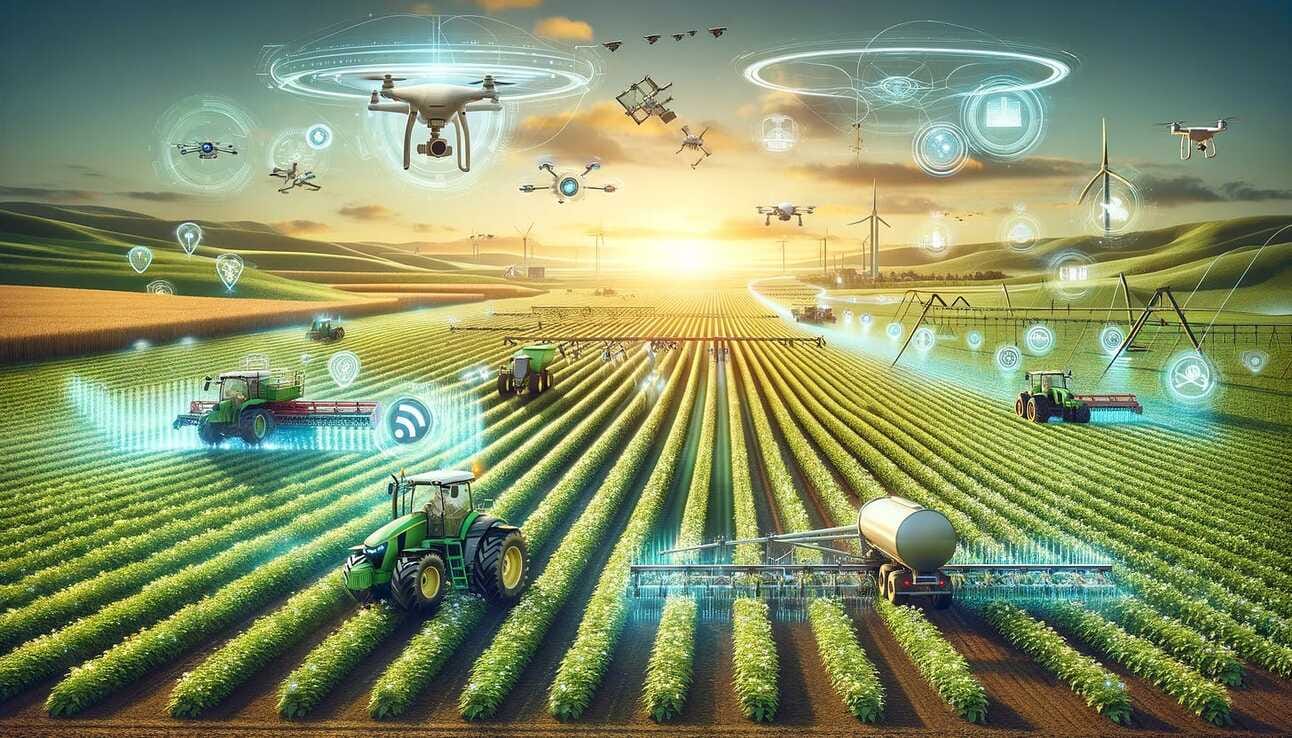
    Precision Agriculture: Navigating the Present and Future of Farming

    In the face of escalating climate change and a rapidly growing global population, sustainable agriculture practices are gaining traction as a vital component of ensuring food security and environmental health. The dawn of 2026 brings renewed focus on these practices, as governments and farmers worldwide strive to create a resilient and sustainable agricultural framework.

    A Shift Towards Sustainability

    Recent data from the Food and Agriculture Organization (FAO) reveals that agriculture accounts for approximately 24% of global greenhouse gas emissions, underscoring the urgent need for sustainable practices. As a result, a growing number of farmers are adopting methods that reduce environmental impact while maintaining productivity.

    Dr. Emily Rivera, an agronomist with the Global Institute for Sustainable Development, emphasizes the importance of this shift. “Sustainable agriculture is not just an option; it’s a necessity,” she explains. “By employing techniques like crop rotation, agroforestry, and organic farming, we can significantly mitigate the adverse effects of conventional farming on our ecosystems.”

    Innovative Practices Making a Difference

    One such practice gaining popularity is regenerative agriculture, which focuses on restoring soil health and biodiversity. A study published in the Journal of Environmental Management in late 2025 found that regenerative farms sequester up to 30% more carbon compared to traditional farms.

    “Healthy soil is the foundation of sustainable agriculture,” says Marco Lin, a sustainable farming consultant. “By using cover crops and reducing tillage, farmers can enhance soil fertility, improve water retention, and boost crop yields.”

    The Role of Technology

    Technology is also playing a pivotal role in advancing sustainable agriculture. Precision farming, which utilizes data analytics, GPS, and IoT devices, is helping farmers optimize resource use and minimize waste. According to a report by AgriTech Insights, farms employing precision agriculture techniques have seen a 20% reduction in water consumption and a 15% decrease in fertilizer use.

    “Technology is the great enabler,” asserts Lin. “With smart sensors and drones, we’re able to make real-time adjustments that maximize efficiency and sustainability.”

    Policy and Education: Keys to Adoption

    While the benefits of sustainable agriculture are evident, widespread adoption requires supportive policies and robust education initiatives. Governments are starting to take notice. In December 2025, the European Union launched a new subsidy program to incentivize farmers to transition to sustainable practices, allocating €1 billion over the next five years.

    Educational efforts are equally important. “Empowering farmers with knowledge and resources is crucial,” says Dr. Rivera. “Workshops, online courses, and farmer networks are essential tools in this transitional phase.”

    Conclusion

    As 2026 unfolds, the push for sustainable agriculture continues to gain momentum. With concerted efforts from policymakers, farmers, and industry leaders, the vision of a more sustainable and resilient food system is within reach. The journey towards sustainable agriculture is not just about preserving resources for future generations—it’s about ensuring the health and viability of our planet today.