Tag: economic forecast

  • Global Economic Outlook for 2026: Navigating Growth Amid Challenges

    As the calendar turns to 2026, the global economy is poised at a crucial juncture, grappling with a blend of promising growth prospects and formidable challenges. Economists and industry leaders are keenly observing shifts in macroeconomic trends, geopolitical tensions, and technological advancements that are set to shape the economic landscape in the coming months.

    According to the International Monetary Fund’s (IMF) latest projections, global economic growth is expected to reach 3.5% in 2026, marking a slight improvement from the previous year. This optimistic outlook is driven by robust performance in emerging markets and developing economies, while advanced economies are projected to maintain moderate growth.

    Emerging Markets Lead the Charge

    Emerging markets, particularly in Asia and Africa, are anticipated to be the engines of growth in 2026. China and India, the world’s second and third largest economies respectively, are projected to grow at rates of 5.2% and 6.8% respectively. “The resilience of these economies is largely attributed to strong domestic demand and strategic investments in technology and infrastructure,” notes Dr. Lila Nguyen, Chief Economist at the Global Economic Institute.

    However, experts caution that these regions are not without their challenges. “While growth prospects are positive, emerging markets must navigate risks such as inflationary pressures, currency volatility, and potential trade disruptions,” explains Raj Patel, Senior Analyst at MarketWatch International.

    Advanced Economies Face Modest Growth

    In contrast, advanced economies such as the United States, the Eurozone, and Japan are expected to experience more subdued growth rates, averaging around 2%. These economies continue to face headwinds from high inflation, labor market disruptions, and geopolitical uncertainties. “The ongoing energy transition and adjustments in supply chains are key factors influencing economic performance in these regions,” states Dr. Emily Carter, Professor of Economics at Harvard University.

    Moreover, the persistent impact of climate change poses additional risks, prompting calls for greater investment in sustainable infrastructure and green technologies. According to a recent report by the World Bank, addressing climate-related challenges could unlock significant economic opportunities, potentially adding up to $2 trillion in global GDP by 2030.

    Technological Innovation as a Growth Catalyst

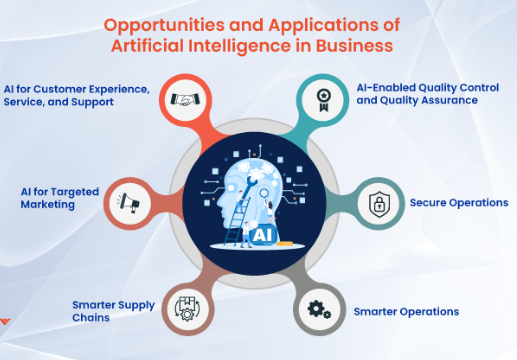
    Technological innovation continues to be a pivotal driver of economic growth in 2026. The accelerated adoption of artificial intelligence, renewable energy, and digital transformation initiatives are reshaping industries and creating new avenues for economic expansion. “Companies that effectively leverage technology to enhance productivity and drive innovation are likely to outperform their peers,” remarks Jessica Lee, CEO of TechVision Analytics.

    Nevertheless, the rapid pace of technological change also necessitates proactive measures to address potential disruptions in labor markets and ensure equitable access to emerging opportunities.

    Conclusion: Navigating Uncertainty with Strategic Planning

    As the world navigates the complexities of 2026, strategic planning and adaptability will be crucial for governments, businesses, and individuals alike. By fostering collaboration, investing in sustainable practices, and embracing technological advancements, the global community can effectively harness the opportunities of this dynamic economic landscape.

    While challenges remain, the resilience and innovation demonstrated by key economic players offer a promising outlook for the year ahead, laying the foundation for sustained growth and prosperity.