As the world steps into 2026, the global economy is poised for a year marked by cautious optimism and significant opportunities. With the lingering effects of the COVID-19 pandemic gradually receding and geopolitical tensions showing signs of stabilization, experts predict a period of measured growth across various sectors.
According to a recent report by the International Monetary Fund (IMF), global economic growth is expected to reach 3.2% in 2026, up from 2.8% in 2025. This optimistic outlook is largely driven by increased consumer spending and technological advancements, particularly in emerging markets. “The resilience of emerging economies is a critical driver of this growth,” remarked Dr. Leila Khan, an economist at the World Economic Forum. “These regions are capitalizing on digital transformations and green energy initiatives, setting the stage for sustainable development.”
Key Drivers of Growth
One of the key factors contributing to the positive economic outlook is the robust recovery of the service sector, which was severely impacted during the pandemic. “The service industry, especially travel and hospitality, is witnessing a resurgence,” noted Richard Thompson, Chief Analyst at Global Markets Insights. “This rebound is pivotal for job creation and economic stability in many countries.”
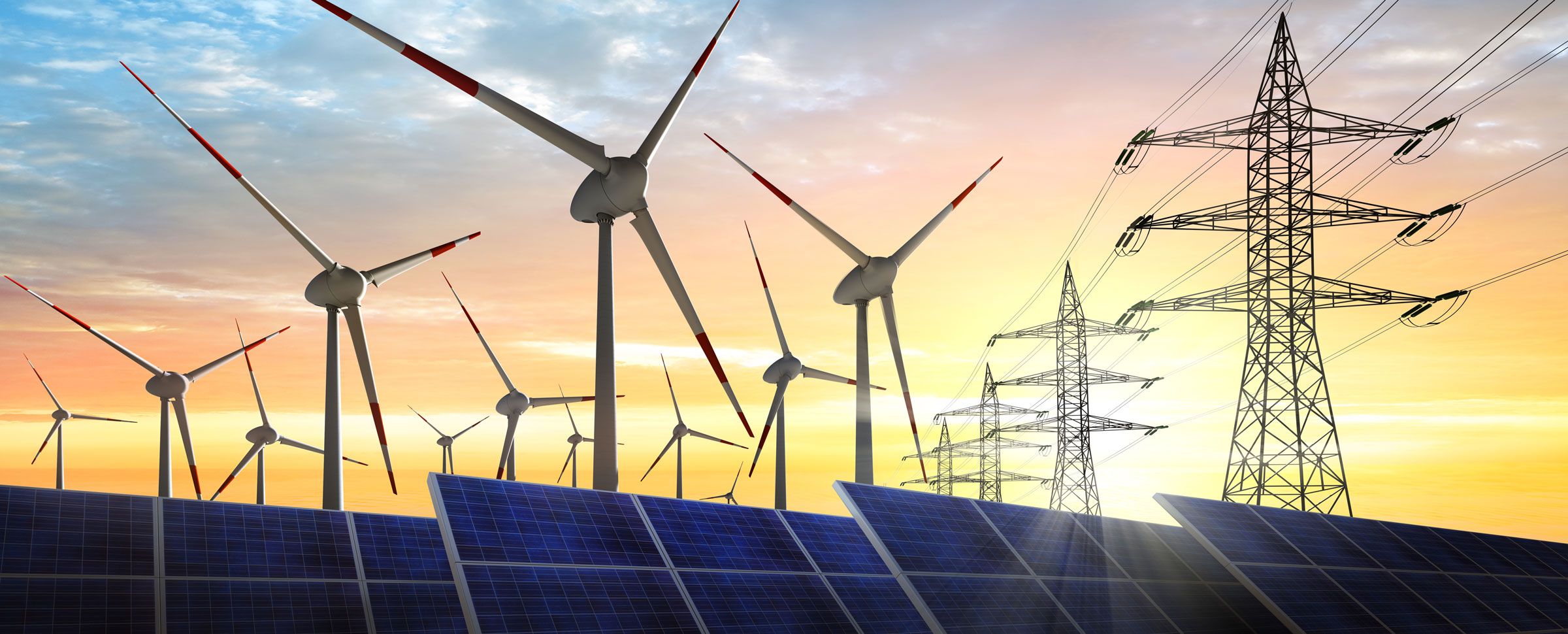
Moreover, the global push towards sustainable energy solutions continues to gain momentum. Investments in renewable energy projects are projected to increase by 15% compared to the previous year, as countries strive to meet their climate goals. “The transition to a green economy is not just an environmental imperative but an economic opportunity,” explained Dr. Maria Gomez, a sustainability expert at the University of Cambridge.
Challenges on the Horizon
Despite the positive projections, several challenges could temper the global economic growth in 2026. Rising inflation rates, particularly in developed economies, remain a concern for policymakers. “Central banks worldwide might need to adjust interest rates to curb inflation, which could impact consumer spending and investment,” warned John Mitchell, an economist at the Institute for Economic Research.
Additionally, geopolitical tensions, especially in Eastern Europe and the South China Sea, pose risks to global trade and investment flows. “While there are signs of de-escalation, any resurgence in conflicts could disrupt supply chains and economic stability,” highlighted Dr. Serena Li, a geopolitical analyst.
Technology and Innovation as Catalysts
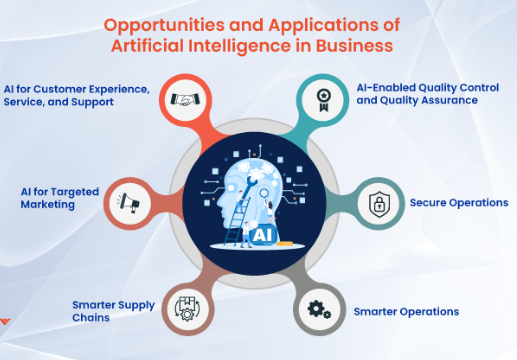
The role of technology and innovation continues to be a cornerstone of global economic progress. The acceleration of artificial intelligence and digitalization is expected to enhance productivity and create new markets. “Countries that invest in tech-driven economies are likely to see substantial gains,” asserted Tom Yang, CEO of Tech Innovate Corp.
Furthermore, the integration of digital currencies and blockchain technology is anticipated to revolutionize financial systems, offering increased efficiency and security. “We are witnessing a paradigm shift in how financial transactions are conducted,” commented Lisa Tran, a fintech strategist.
The global economic landscape in 2026 is undoubtedly complex, characterized by a blend of opportunities and challenges. However, with strategic investments in innovation, sustainability, and resilience, the world economy is well-positioned to navigate these dynamics towards a promising future.