Tag: environment

  • Innovative Climate Change Mitigation Strategies Take Center Stage in 2026

    Advancements and Innovations in Renewable Energy Technologies

    In January 2026, the global effort to combat climate change has reached a critical juncture, with a surge of innovative strategies aiming to curb the catastrophic impacts of a warming planet. As international leaders and environmental experts convene at the World Climate Summit in Nairobi, the focus is on deploying effective solutions that can be implemented across diverse sectors and regions.

    Progress in Renewable Energy

    One of the most promising areas of development is the expansion of renewable energy sources. The International Energy Agency reported in December 2025 that wind and solar power now account for over 40% of the global electricity supply, a significant leap from 27% in 2023. “We’ve seen an unprecedented growth in renewable energy, driven by technological advances and policy support,” said Dr. Emily Harper, a leading climate scientist at the Global Renewable Energy Institute. “The challenge now is to sustain this momentum and ensure equitable access worldwide.”

    Carbon Capture and Storage

    Another critical component in the climate change mitigation toolkit is carbon capture and storage (CCS). The Carbon Initiative Network estimates that CCS technology has the potential to remove up to 10 gigatons of CO2 annually by 2030 if widely adopted. This year, several large-scale projects, including the North Sea Storage Facility, are set to become operational, marking a significant step forward in reducing atmospheric carbon levels.

    Nature-Based Solutions

    Nature-based solutions are gaining traction as an effective means to mitigate climate impacts while enhancing biodiversity. Reforestation and wetland restoration projects are being scaled up, with countries like Brazil and Indonesia leading the way. “Investing in our natural ecosystems is vital not only for absorbing carbon but also for supporting local economies and protecting biodiversity,” emphasized Dr. Rajiv Patel, an environmental economist at the United Nations Environment Programme.

    Innovative Urban Planning

    Cities, responsible for over 70% of global CO2 emissions, are turning to innovative urban planning to reduce their carbon footprint. From green roofs to electrified public transportation, urban areas are rethinking their infrastructure to promote sustainability. “Smart city initiatives are crucial,” noted Anna Juarez, a senior planner at the Urban Sustainability Project. “By integrating technology and eco-friendly designs, cities can significantly lower emissions while improving quality of life for residents.”

    The Road Ahead

    While progress has been made, experts warn that the path to a sustainable future is fraught with challenges. Political will, financial investment, and international cooperation remain pivotal in scaling successful strategies. As Dr. Harper concluded, “The actions we take in the next five years will determine the trajectory of our planet for generations to come. It’s imperative that we act decisively and collaboratively.”

  • Sustainable Business Practices: The New Norm for 2026

    AI Blog for Governments and Enterprises | Net0

    As the world continues to grapple with the challenges of climate change and environmental degradation, sustainable business practices are no longer just a trend, but a necessity. In January 2026, companies across industries are setting ambitious sustainability goals to meet both regulatory demands and consumer expectations.

    The Rise of Sustainability in Business

    With global temperatures reaching unprecedented levels and natural resources dwindling, businesses are under pressure to adopt practices that minimize their environmental impact. According to a recent report by the Global Sustainability Council, over 70% of Fortune 500 companies have integrated sustainability into their core strategies, a significant increase from just 45% in 2020.

    “Sustainability is now a central pillar of business strategy,” says Dr. Emily Rivera, a leading environmental economist. “Companies are finding that eco-friendly practices not only help the planet but also improve their bottom line by reducing waste and increasing operational efficiency.”

    Innovative Approaches to Sustainability

    Businesses are employing a variety of innovative approaches to enhance their sustainability. From adopting renewable energy sources to implementing circular economy principles, companies are exploring ways to decrease their carbon footprint. For example, tech giant GreenTech has committed to using 100% renewable energy in all its operations by the end of the year, a move expected to reduce its carbon emissions by 40%.

    Furthermore, the fashion industry is witnessing a revolution in sustainable materials, with brands like EcoWear leading the charge. By using recycled fabrics and non-toxic dyes, EcoWear has reduced its environmental impact by 60%, setting a benchmark for others in the industry.

    Regulatory and Consumer Influences

    The shift towards sustainability is also driven by stringent regulations and changing consumer preferences. Governments worldwide are implementing policies to enforce environmental standards. The European Union’s Green Deal, for instance, aims to make the continent carbon-neutral by 2050, compelling companies to rethink their practices.

    “Consumers today are more environmentally conscious than ever,” notes Lisa Wong, a market analyst at EcoTrends. “They demand transparency and sustainability from the brands they support, which has pushed companies to innovate and adapt.”

    The Future of Sustainable Business

    As we move further into the decade, the integration of sustainability in business practices is expected to deepen. Companies that fail to adapt may face not only regulatory penalties but also the risk of losing market share to more eco-friendly competitors.

    While the path to sustainability presents challenges, it also offers opportunities for growth and innovation. As businesses continue to evolve, those that prioritize sustainability are likely to thrive in the new economic landscape.

  • The Future of Farming: Embracing Sustainable Agriculture Practices for a Resilient Planet

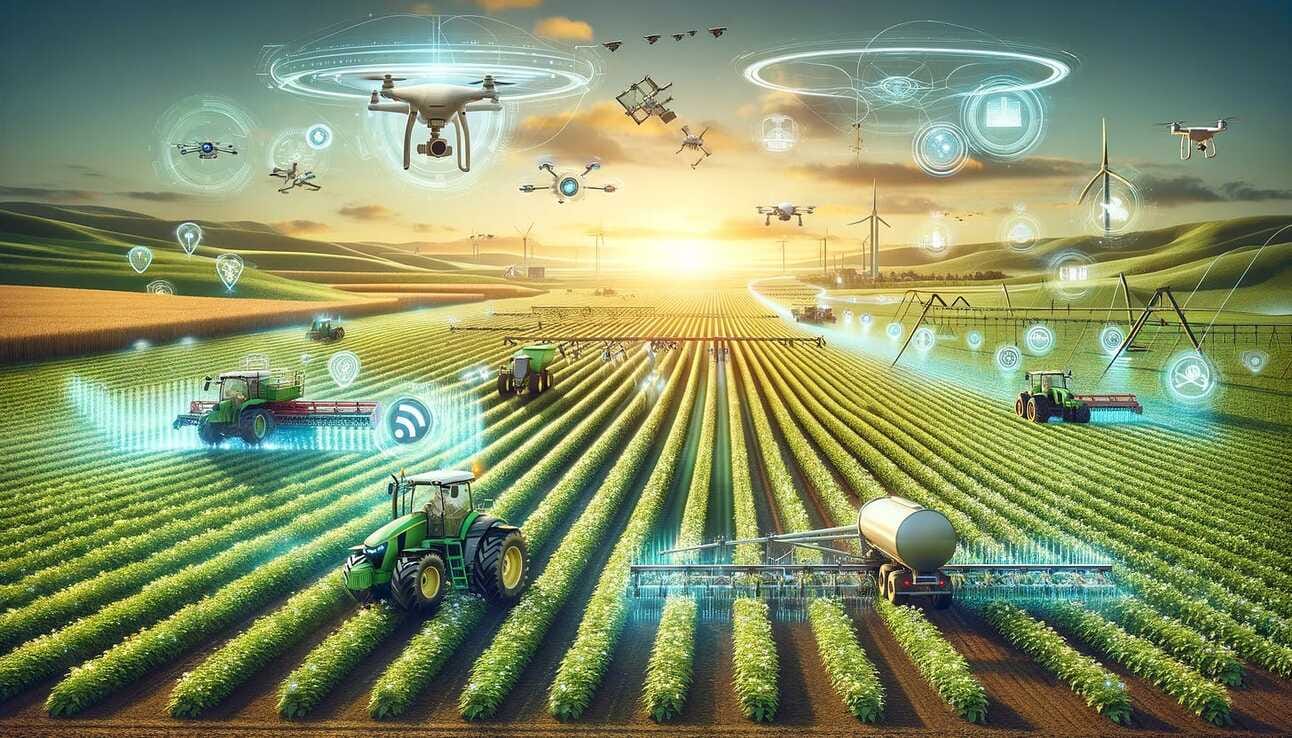
    Precision Agriculture: Navigating the Present and Future of Farming

    In the face of escalating climate change and a rapidly growing global population, sustainable agriculture practices are gaining traction as a vital component of ensuring food security and environmental health. The dawn of 2026 brings renewed focus on these practices, as governments and farmers worldwide strive to create a resilient and sustainable agricultural framework.

    A Shift Towards Sustainability

    Recent data from the Food and Agriculture Organization (FAO) reveals that agriculture accounts for approximately 24% of global greenhouse gas emissions, underscoring the urgent need for sustainable practices. As a result, a growing number of farmers are adopting methods that reduce environmental impact while maintaining productivity.

    Dr. Emily Rivera, an agronomist with the Global Institute for Sustainable Development, emphasizes the importance of this shift. “Sustainable agriculture is not just an option; it’s a necessity,” she explains. “By employing techniques like crop rotation, agroforestry, and organic farming, we can significantly mitigate the adverse effects of conventional farming on our ecosystems.”

    Innovative Practices Making a Difference

    One such practice gaining popularity is regenerative agriculture, which focuses on restoring soil health and biodiversity. A study published in the Journal of Environmental Management in late 2025 found that regenerative farms sequester up to 30% more carbon compared to traditional farms.

    “Healthy soil is the foundation of sustainable agriculture,” says Marco Lin, a sustainable farming consultant. “By using cover crops and reducing tillage, farmers can enhance soil fertility, improve water retention, and boost crop yields.”

    The Role of Technology

    Technology is also playing a pivotal role in advancing sustainable agriculture. Precision farming, which utilizes data analytics, GPS, and IoT devices, is helping farmers optimize resource use and minimize waste. According to a report by AgriTech Insights, farms employing precision agriculture techniques have seen a 20% reduction in water consumption and a 15% decrease in fertilizer use.

    “Technology is the great enabler,” asserts Lin. “With smart sensors and drones, we’re able to make real-time adjustments that maximize efficiency and sustainability.”

    Policy and Education: Keys to Adoption

    While the benefits of sustainable agriculture are evident, widespread adoption requires supportive policies and robust education initiatives. Governments are starting to take notice. In December 2025, the European Union launched a new subsidy program to incentivize farmers to transition to sustainable practices, allocating €1 billion over the next five years.

    Educational efforts are equally important. “Empowering farmers with knowledge and resources is crucial,” says Dr. Rivera. “Workshops, online courses, and farmer networks are essential tools in this transitional phase.”

    Conclusion

    As 2026 unfolds, the push for sustainable agriculture continues to gain momentum. With concerted efforts from policymakers, farmers, and industry leaders, the vision of a more sustainable and resilient food system is within reach. The journey towards sustainable agriculture is not just about preserving resources for future generations—it’s about ensuring the health and viability of our planet today.

  • Sustainable Business Practices: A 2026 Perspective

    In the face of escalating climate challenges, businesses around the globe are increasingly turning to sustainable practices as a core element of their operational strategies. As we step into 2026, these initiatives are no longer mere trends but essential components driving innovation and long-term success across industries.

    Growing Importance of Sustainability

    According to a recent report by the Global Sustainability Initiative, over 70% of companies worldwide have integrated environmental, social, and governance (ESG) criteria into their business models. This marks a significant increase from just 45% in 2020. The push towards sustainability is not only driven by regulatory requirements but also by a growing consumer demand for ethical and environmentally friendly products.

    “Sustainability is no longer optional,” says Dr. Emily Carter, an environmental economist at the Institute for Sustainable Development. “It is a necessity for businesses aiming to remain competitive and relevant in today’s market. Consumers are more informed and are choosing brands that reflect their values, which increasingly prioritize environmental stewardship.”

    Innovative Practices Leading the Charge

    Firms are harnessing technology to innovate and implement sustainable practices. For instance, tech giant GreenTech has introduced AI-driven solutions to optimize energy consumption, reducing their carbon footprint by 25% over the past two years. Similarly, the fashion industry is witnessing a transformation with companies like EcoWear using recycled materials and sustainable production processes to minimize waste.

    In the automotive sector, electric vehicle production has seen a remarkable surge, with global sales projected to exceed 20 million units this year. This shift is largely attributed to advancements in battery technology and a growing network of charging infrastructure, making electric vehicles more accessible and appealing to consumers.

    Challenges and Opportunities

    While the transition towards sustainability presents vast opportunities, it also poses significant challenges. The initial costs associated with implementing sustainable technologies can be prohibitive for small and medium enterprises. However, government incentives and green financing options are increasingly available to support these businesses in overcoming financial hurdles.

    “The key is collaboration,” notes John Mitchell, CEO of the Sustainability Alliance. “By working together, governments, businesses, and communities can share resources and knowledge to drive sustainable innovation. It’s about creating a network of support that encourages and facilitates sustainable growth.”

    Looking Ahead

    As we move further into 2026, the momentum behind sustainable business practices is expected to grow. Companies that have already embraced these changes are likely to lead in their respective industries, setting standards for others to follow. The emphasis on sustainability is not just about mitigating environmental impact but also about building resilient businesses that can thrive in a rapidly changing world.

    In conclusion, sustainable business practices are shaping the future of global commerce. As businesses continue to align their strategies with environmental goals, the path towards a more sustainable and equitable economy becomes clearer and more achievable.

  • Revolutionizing Renewable Energy: Innovations Paving the Way for a Greener Future

    In January 2026, the renewable energy sector is experiencing a groundbreaking transformation, driven by technological advancements and a global push towards sustainable energy solutions. As nations strive to meet ambitious carbon neutrality goals, innovative approaches to harnessing renewable resources are at the forefront of this green revolution.

    Floating Solar Farms: Harnessing Sunlight from Water

    One of the most promising innovations in solar technology is the development of floating solar farms. These installations, which float on bodies of water, are gaining traction due to their ability to save valuable land space while reducing water evaporation and algae growth. According to a recent report by the International Energy Agency (IEA), floating solar capacity is expected to exceed 20 gigawatts by the end of 2026, a significant leap from just 3 gigawatts in 2023.

    “Floating solar farms represent a dual-use model that maximizes the utility of water reservoirs,” said Dr. Emily Carter, a leading renewable energy researcher at the Global Energy Institute. “This innovation not only increases solar capacity but also enhances water management, making it a win-win for both energy and environmental conservation.”

    Advanced Energy Storage Solutions

    Another crucial development in the renewable energy landscape is the advancement in energy storage technologies. As the intermittency of solar and wind energy remains a challenge, breakthroughs in battery storage are critical for ensuring a stable and reliable power supply. The latest generation of lithium-sulfur batteries, known for their high energy density and reduced environmental impact, are set to revolutionize the industry.

    “Energy storage is the backbone of renewable energy systems,” explained Mark Johnson, CEO of GreenTech Innovations. “With new battery technologies, we can store excess energy generated during peak production times and release it when demand is high, thereby smoothening the supply-demand curve.”

    Green Hydrogen: The Fuel of the Future

    As nations aim to decarbonize sectors like transportation and heavy industry, green hydrogen is emerging as a vital component of the renewable energy mix. Produced through electrolysis using renewable electricity, green hydrogen offers a zero-emission alternative to traditional fossil fuels. The Hydrogen Council projects that by 2030, hydrogen could power over 10 million vehicles worldwide.

    “Green hydrogen has the potential to transform hard-to-abate sectors,” said Sarah Lin, a senior analyst at the Renewable Energy Council. “Its versatility and scalability make it a key player in achieving deep decarbonization goals.”

    The Path Forward

    These innovations indicate a promising trajectory for the renewable energy sector, but challenges remain. Investment in infrastructure, regulatory support, and international cooperation are essential to realize the full potential of these technologies. As the world continues to grapple with the effects of climate change, the push for renewable energy solutions is more critical than ever.

    With continuous advancements and a global commitment to sustainability, the future of renewable energy looks bright. As stakeholders across the spectrum—from policymakers to entrepreneurs—rally to embrace these innovations, the transition to a greener future is not just a possibility; it’s an inevitability.