Tag: Finance

  • AI and Machine Learning Breakthroughs Reshape Industries in 2026

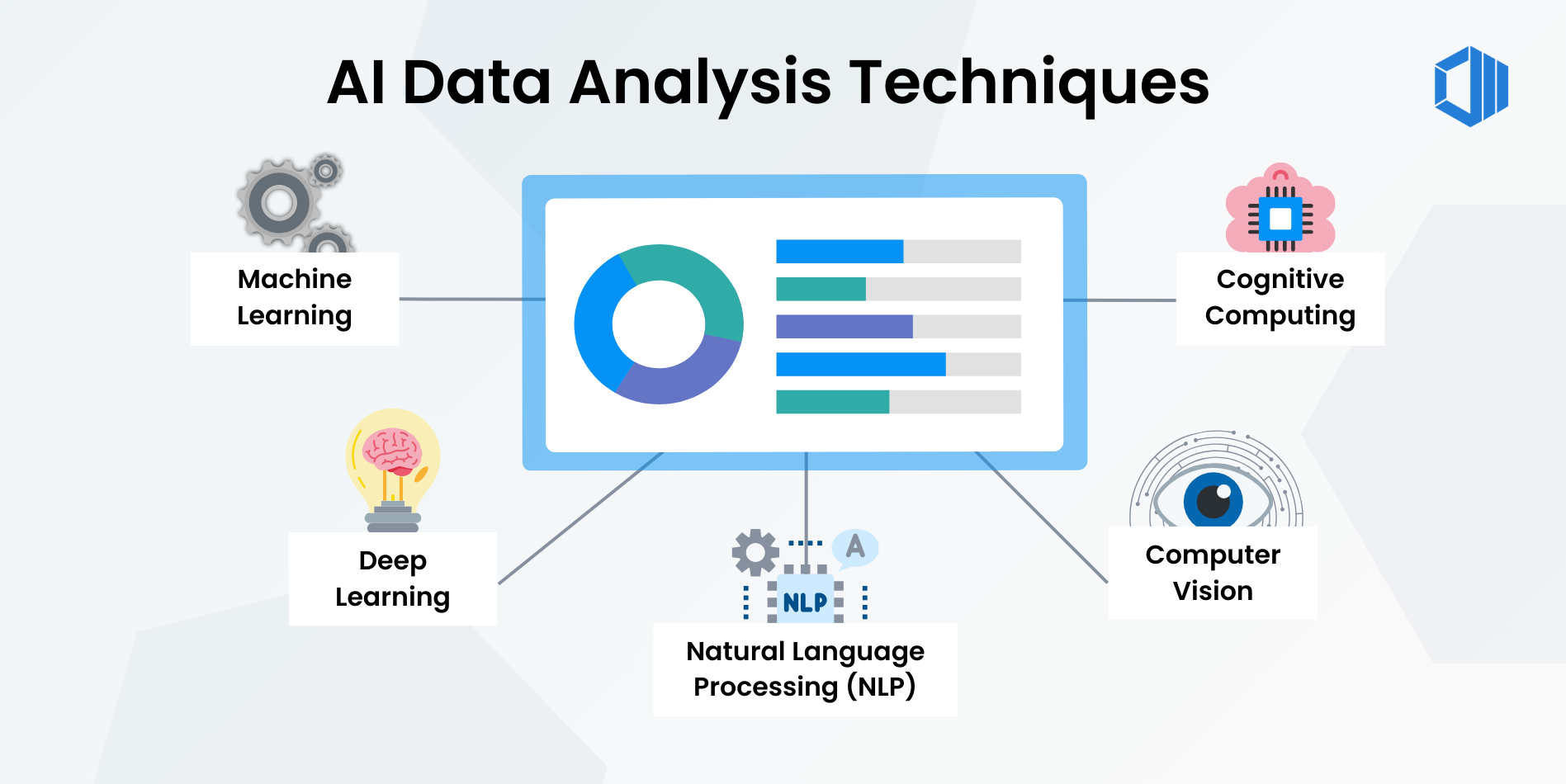
    AI in Data Analysis: How Artificial Inteligence Enhances Analytics?

    As we step into 2026, the landscape of artificial intelligence and machine learning has undergone remarkable transformations. With groundbreaking innovations emerging from research labs worldwide, these technologies are poised to redefine industrial operations, enhance decision-making processes, and introduce new paradigms of efficiency across various sectors.

    Revolutionizing Healthcare with AI

    The healthcare industry continues to be a major beneficiary of AI advancements. This year, machine learning algorithms have significantly improved diagnostic accuracy, particularly in detecting diseases at early stages. According to a recent study published by the Journal of Medical AI, early diagnosis of cancers using AI algorithms has reached an accuracy rate of 95%, a notable improvement from 85% in 2023.

    Dr. Emily Chen, a leading AI researcher at the Institute of Health Technologies, emphasized the potential of these advancements. “AI-driven diagnostics are not just about accuracy; they’re about accessibility. With the democratization of AI tools, we’re seeing faster and more cost-effective solutions reaching under-resourced regions,” said Dr. Chen.

    AI’s Role in Financial Services

    The financial sector is also experiencing a transformative phase. AI-driven algorithms are now widely used for risk assessment, fraud detection, and personalized banking solutions. A report by FinTech Insights reveals that the integration of AI in financial services has reduced fraud-related losses by 40% compared to figures from 2024.

    “The ability of AI to analyze vast datasets and detect anomalies has been a game-changer for the financial industry,” noted Raj Patel, CTO of SecureFinance Inc. “This not only enhances security but also allows for more personalized customer experiences.”

    AI in Manufacturing and Supply Chain Management

    Manufacturing and supply chain operations are also being reshaped by AI technologies. Predictive analytics and automated processes have led to a 30% increase in operational efficiency, according to a study by the Global Manufacturing Institute. These improvements are crucial as companies strive to meet the growing demand while maintaining sustainability.

    “We’ve reached a point where AI is integral to predictive maintenance and quality control,” explained Sophie Nguyen, a senior analyst at the Industrial AI Summit. “Companies that embrace these technologies are seeing substantial benefits in terms of reduced downtime and improved product quality.”

    The Ethical Considerations of AI

    While the advancements are promising, they also raise ethical concerns. The growing reliance on AI prompts discussions around data privacy, algorithmic biases, and the potential displacement of jobs. Industry leaders are advocating for a balanced approach that fosters innovation while ensuring ethical standards are upheld.

    “It’s crucial that as we advance, we also address the ethical implications of AI deployment,” urged Dr. Marcus Lee, Chair of the AI Ethics Council. “Transparent AI systems, regulatory oversight, and inclusive policies are essential to harnessing AI’s potential responsibly.”

    Conclusion

    The breakthroughs in AI and machine learning in 2026 are undeniably setting the stage for a more efficient and innovative future. As these technologies continue to evolve, the challenge remains to leverage their capabilities responsibly, ensuring they benefit society as a whole.

  • Global Economic Outlook 2026: Navigating a Year of Transition and Opportunity

    Economic growth chart

    As the world steps into 2026, the global economy is poised for a year marked by cautious optimism and significant opportunities. With the lingering effects of the COVID-19 pandemic gradually receding and geopolitical tensions showing signs of stabilization, experts predict a period of measured growth across various sectors.

    According to a recent report by the International Monetary Fund (IMF), global economic growth is expected to reach 3.2% in 2026, up from 2.8% in 2025. This optimistic outlook is largely driven by increased consumer spending and technological advancements, particularly in emerging markets. “The resilience of emerging economies is a critical driver of this growth,” remarked Dr. Leila Khan, an economist at the World Economic Forum. “These regions are capitalizing on digital transformations and green energy initiatives, setting the stage for sustainable development.”

    Key Drivers of Growth

    One of the key factors contributing to the positive economic outlook is the robust recovery of the service sector, which was severely impacted during the pandemic. “The service industry, especially travel and hospitality, is witnessing a resurgence,” noted Richard Thompson, Chief Analyst at Global Markets Insights. “This rebound is pivotal for job creation and economic stability in many countries.”

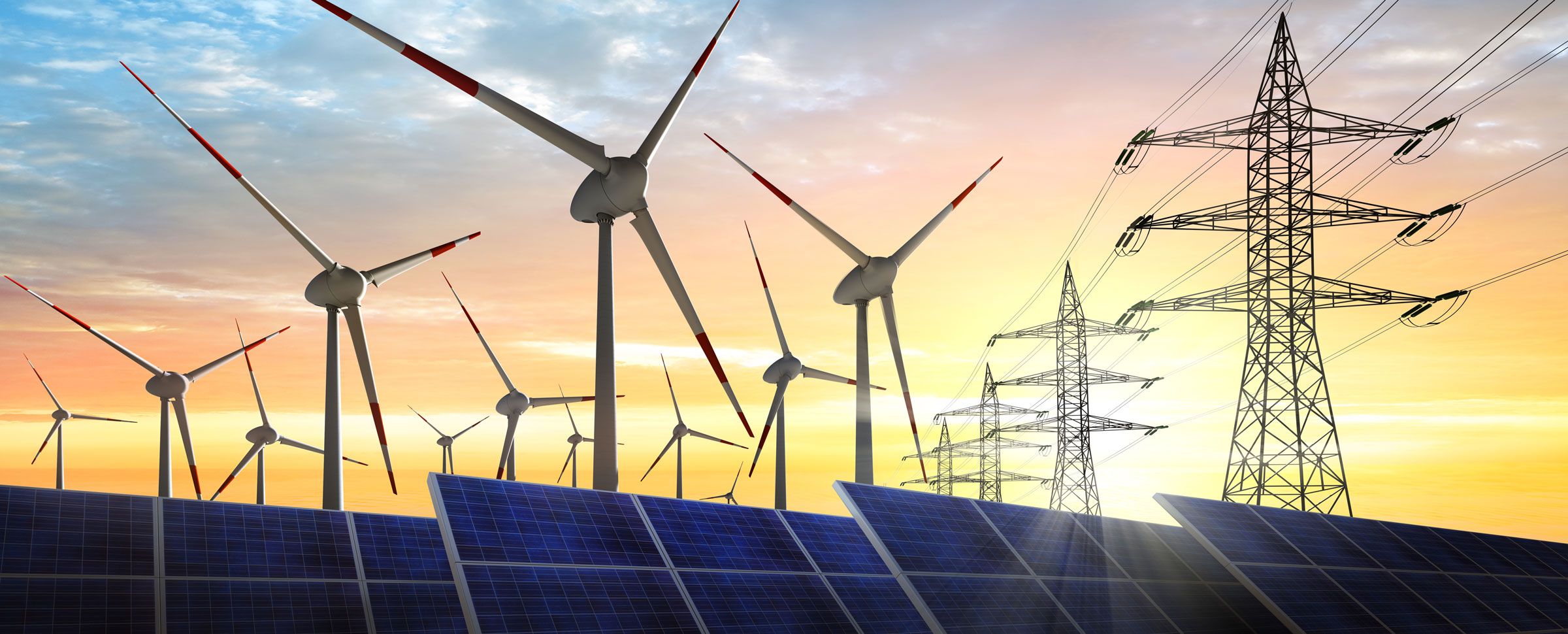
    Moreover, the global push towards sustainable energy solutions continues to gain momentum. Investments in renewable energy projects are projected to increase by 15% compared to the previous year, as countries strive to meet their climate goals. “The transition to a green economy is not just an environmental imperative but an economic opportunity,” explained Dr. Maria Gomez, a sustainability expert at the University of Cambridge.

    Challenges on the Horizon

    Despite the positive projections, several challenges could temper the global economic growth in 2026. Rising inflation rates, particularly in developed economies, remain a concern for policymakers. “Central banks worldwide might need to adjust interest rates to curb inflation, which could impact consumer spending and investment,” warned John Mitchell, an economist at the Institute for Economic Research.

    Additionally, geopolitical tensions, especially in Eastern Europe and the South China Sea, pose risks to global trade and investment flows. “While there are signs of de-escalation, any resurgence in conflicts could disrupt supply chains and economic stability,” highlighted Dr. Serena Li, a geopolitical analyst.

    Technology and Innovation as Catalysts

    The role of technology and innovation continues to be a cornerstone of global economic progress. The acceleration of artificial intelligence and digitalization is expected to enhance productivity and create new markets. “Countries that invest in tech-driven economies are likely to see substantial gains,” asserted Tom Yang, CEO of Tech Innovate Corp.

    Furthermore, the integration of digital currencies and blockchain technology is anticipated to revolutionize financial systems, offering increased efficiency and security. “We are witnessing a paradigm shift in how financial transactions are conducted,” commented Lisa Tran, a fintech strategist.

    The global economic landscape in 2026 is undoubtedly complex, characterized by a blend of opportunities and challenges. However, with strategic investments in innovation, sustainability, and resilience, the world economy is well-positioned to navigate these dynamics towards a promising future.

  • AI and Machine Learning Breakthroughs Usher in a New Era in 2026

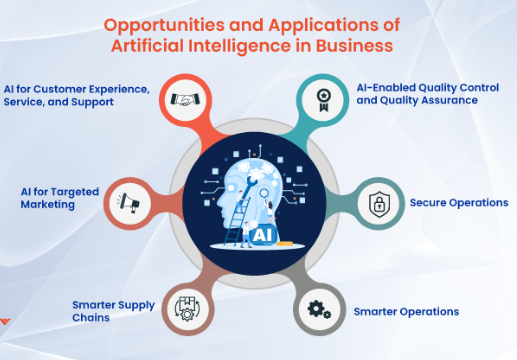
    AI in Business Operation: Maximizing Efficiency

    As we step into 2026, artificial intelligence (AI) and machine learning are not just buzzwords but transformative forces reshaping the global landscape. From revolutionizing healthcare diagnostics to redefining financial modeling, the breakthroughs in these fields are proving to be game-changers.

    Healthcare Revolutionized with AI

    The healthcare industry is witnessing unprecedented advancements thanks to AI. Algorithms capable of analyzing complex medical data are now aiding in early disease detection and personalized treatment plans. According to Dr. Emily Carter, a leading AI researcher at the National Health Institute, “AI-driven diagnostics have reduced the error rate by 30% in identifying critical illnesses such as cancer.” This progress is not only enhancing patient outcomes but also alleviating the burden on healthcare professionals.

    Financial Sector Embraces Intelligent Automation

    In finance, AI is streamlining operations and enhancing decision-making processes. Financial institutions are leveraging machine learning models to predict market trends with higher accuracy. John Liu, Chief Analyst at Global Finance Insights, notes, “Machine learning algorithms are delivering predictions with a 95% accuracy rate, enabling smarter investment decisions and risk management.” This level of precision is reshaping how financial strategies are formulated and executed.

    AI Ethics and Regulation: A Growing Focus

    With AI’s growing influence, the conversation around ethics and regulation is gaining momentum. Policymakers and technologists are collaborating to ensure that AI deployment is both ethical and beneficial. Sarah Thompson, a policy advisor at TechReg, emphasizes, “It’s crucial to have robust regulations that prevent misuse while promoting innovation. We are seeing a global push towards establishing these frameworks.”

    Education and Workforce Transformation

    The rise of AI is also impacting education and workforce dynamics. Educational institutions are incorporating AI into curricula to prepare students for a tech-driven future. Meanwhile, companies are investing in reskilling programs to equip their workforce with AI competencies. “By 2030, we expect over 50% of jobs to require some level of AI proficiency,” states Michael Green, Director of the Institute for Future Work.

    Looking Ahead

    As AI continues to evolve, its potential to solve complex problems and drive innovation is limitless. Experts agree that the key to maximizing AI’s benefits lies in fostering collaboration across sectors and ensuring that ethical considerations keep pace with technological advances.

    In conclusion, 2026 marks a pivotal year in the journey of AI and machine learning. As these technologies continue to integrate into various aspects of life, the world watches closely to see how they will shape a smarter, more efficient future.