Tag: healthcare innovations

  • Revolutionary Medical Breakthroughs Set to Transform Healthcare in 2026

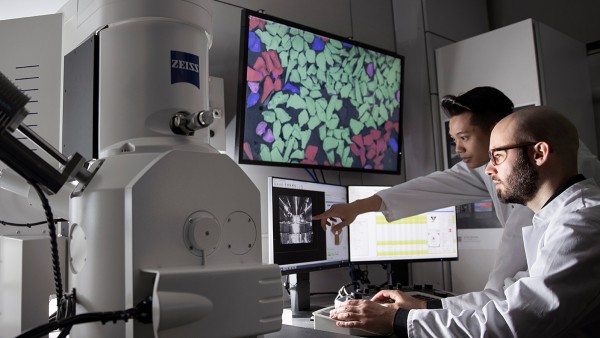
    Machine concepts for producing medical technology products | Schaeffler  Special Machinery

    As the new year unfolds, the healthcare industry is poised for transformative changes, thanks to a series of groundbreaking medical research breakthroughs. These advancements, from gene editing technologies to artificial intelligence (AI) diagnostics, are set to redefine patient care and treatment options in 2026.

    Gene Therapy: A New Frontier

    One of the most promising developments is in the field of gene therapy. Researchers have made significant strides in CRISPR technology, which enables precise editing of genetic material to treat hereditary diseases. A recent study published in the Journal of Medical Research demonstrated a 90% success rate in treating sickle cell anemia using CRISPR-based therapies. Dr. Emily Chen, a leading geneticist at the National Institute of Health, commented, “We’re witnessing a new era where genetic diseases that were once deemed incurable are now treatable through targeted gene editing.”

    AI in Diagnostics: Enhancing Accuracy

    Artificial intelligence continues to make waves in medical diagnostics. AI algorithms, trained on vast datasets, are now able to detect conditions like cancer and heart disease with greater accuracy than traditional methods. A recent report by the Global Health Institute highlighted that AI-driven diagnostic tools can reduce false positives by 30%, significantly improving early detection rates. “AI is not just an assistant; it’s becoming an essential part of the diagnostic process,” noted Dr. Rajiv Patel, a pioneer in AI healthcare applications.

    Nanotechnology: Targeted Treatments

    Nanotechnology is another area seeing rapid advancements. Scientists have developed nanoparticles that can deliver drugs directly to cancer cells, minimizing damage to surrounding healthy tissue. This precision approach not only enhances the efficacy of treatments but also reduces side effects. According to a study in Science Advances, this method has shown a 50% increase in treatment success rates for certain types of cancer. “Nanotechnology is providing us with tools to approach diseases at the cellular level,” explained Dr. Laura Martinez, an expert in nanomedicine.

    Telehealth: The New Normal

    Telehealth, which saw a surge during the COVID-19 pandemic, is now a staple in the healthcare landscape. With improvements in digital infrastructure and patient monitoring technologies, remote consultations are becoming more efficient and effective. A survey conducted by the American Medical Association found that 80% of patients reported satisfaction with virtual visits, citing convenience and accessibility.

    Challenges and Opportunities

    While these advancements hold immense potential, they also present challenges. Ethical considerations in gene editing, data privacy in AI diagnostics, and equitable access to advanced treatments remain critical issues. However, experts are optimistic. “While challenges exist, the opportunity to enhance human health and longevity is unprecedented,” said Dr. Michelle Thompson, a bioethicist at the World Health Organization.

    As we move further into 2026, these innovations promise not only to improve patient outcomes but also to reshape the future of healthcare. With continued research and collaboration, the possibilities are boundless.

  • Telemedicine and Digital Health Innovations Reshape Healthcare Landscape in 2026

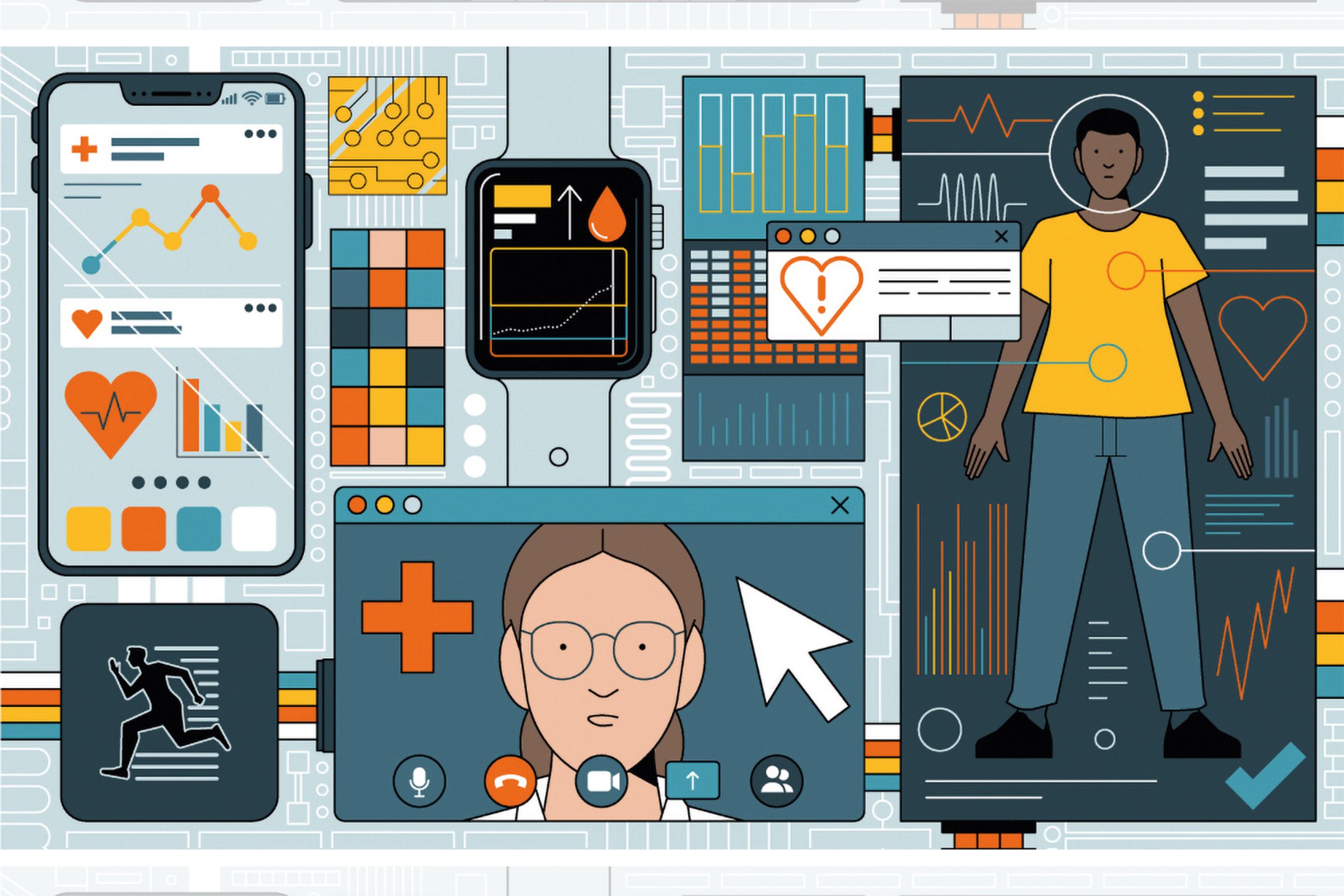
    Digital Health Tools Need a New Benchmark | WIRED

    As the healthcare industry moves further into the digital age, telemedicine and digital health innovations are at the forefront of transforming patient care. With advancements in technology, the way healthcare is delivered in 2026 is nearly unrecognizable compared to just a decade ago.

    The Rise of Telemedicine

    Telemedicine, the use of telecommunication technology to provide clinical health care from a distance, has seen exponential growth, particularly accelerated by the global pandemic of the early 2020s. According to a 2025 report by the Global Health Institute, the telemedicine market is projected to reach $560 billion by 2030, driven by increasing demand for remote healthcare solutions.

    Dr. Emily Carter, a leading expert in digital health at the National Health Innovation Center, notes, “Telemedicine has not only expanded access to medical services but also enhanced the quality of care by facilitating continuous monitoring and timely interventions.” She adds that, “The integration of AI and machine learning into telehealth platforms is paving the way for more personalized and predictive healthcare models.”

    Innovations in Digital Health

    Beyond telemedicine, digital health innovations, including wearable technology, remote monitoring devices, and health apps, are playing a pivotal role in reshaping healthcare. These technologies are empowering patients to take a proactive role in their health management. A recent survey by HealthTech Insights found that 68% of patients in the U.S. now use some form of digital health tool.

    Wearable devices, such as smartwatches and fitness trackers, are continuously evolving, providing real-time data about users’ health metrics like heart rate, sleep patterns, and physical activity. “These devices are becoming indispensable tools for both patients and healthcare providers,” says Dr. Jonathan Lee, a digital health strategist. “They enable the early detection of potential health issues and allow for timely medical interventions, ultimately improving patient outcomes.”

    Challenges and Opportunities

    Despite the promising advancements, the integration of digital health solutions into the mainstream healthcare system presents several challenges. Data security and patient privacy remain significant concerns, as the digitization of health records increases the risk of cyber threats.

    “Ensuring robust cybersecurity measures and establishing clear regulations is crucial to maintaining patient trust,” emphasizes Dr. Nadia Kumar, a cybersecurity expert in healthcare. She advocates for stringent data protection laws and continuous monitoring to safeguard patient information.

    Furthermore, the digital divide poses a barrier to equitable healthcare access. Efforts are underway to address these disparities, with initiatives aimed at increasing digital literacy and expanding internet access in underserved areas.

    The Future of Healthcare

    Looking ahead, the continued evolution of telemedicine and digital health solutions holds the potential to revolutionize the healthcare industry further. As technology advances, the focus will increasingly be on integrating these innovations with traditional healthcare systems to create a seamless, patient-centered care experience.

    In conclusion, while challenges remain, the future of healthcare looks promising as telemedicine and digital health innovations continue to drive progress. The key will be balancing technological advancements with ethical considerations to ensure that healthcare remains accessible, safe, and effective for all.