Tag: renewable energy

  • Innovative Climate Change Mitigation Strategies Take Center Stage in 2026

    Advancements and Innovations in Renewable Energy Technologies

    In January 2026, the global effort to combat climate change has reached a critical juncture, with a surge of innovative strategies aiming to curb the catastrophic impacts of a warming planet. As international leaders and environmental experts convene at the World Climate Summit in Nairobi, the focus is on deploying effective solutions that can be implemented across diverse sectors and regions.

    Progress in Renewable Energy

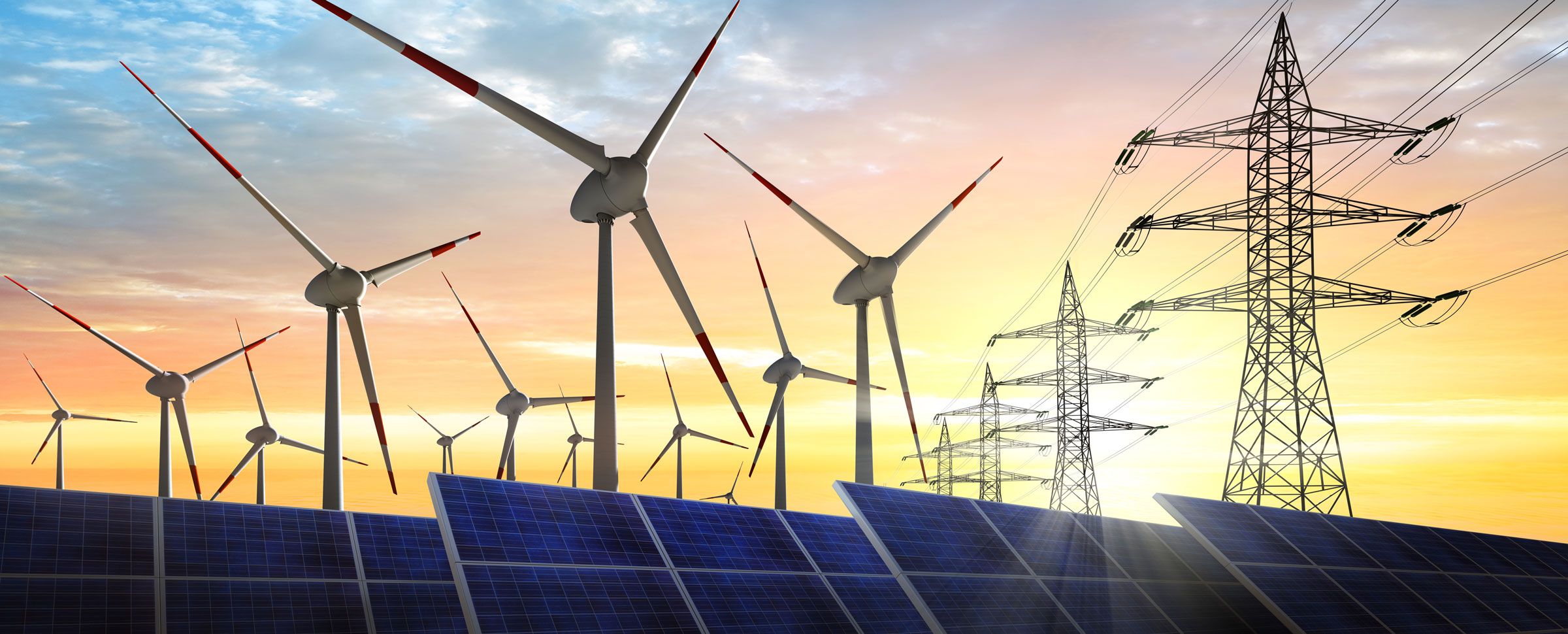
    One of the most promising areas of development is the expansion of renewable energy sources. The International Energy Agency reported in December 2025 that wind and solar power now account for over 40% of the global electricity supply, a significant leap from 27% in 2023. “We’ve seen an unprecedented growth in renewable energy, driven by technological advances and policy support,” said Dr. Emily Harper, a leading climate scientist at the Global Renewable Energy Institute. “The challenge now is to sustain this momentum and ensure equitable access worldwide.”

    Carbon Capture and Storage

    Another critical component in the climate change mitigation toolkit is carbon capture and storage (CCS). The Carbon Initiative Network estimates that CCS technology has the potential to remove up to 10 gigatons of CO2 annually by 2030 if widely adopted. This year, several large-scale projects, including the North Sea Storage Facility, are set to become operational, marking a significant step forward in reducing atmospheric carbon levels.

    Nature-Based Solutions

    Nature-based solutions are gaining traction as an effective means to mitigate climate impacts while enhancing biodiversity. Reforestation and wetland restoration projects are being scaled up, with countries like Brazil and Indonesia leading the way. “Investing in our natural ecosystems is vital not only for absorbing carbon but also for supporting local economies and protecting biodiversity,” emphasized Dr. Rajiv Patel, an environmental economist at the United Nations Environment Programme.

    Innovative Urban Planning

    Cities, responsible for over 70% of global CO2 emissions, are turning to innovative urban planning to reduce their carbon footprint. From green roofs to electrified public transportation, urban areas are rethinking their infrastructure to promote sustainability. “Smart city initiatives are crucial,” noted Anna Juarez, a senior planner at the Urban Sustainability Project. “By integrating technology and eco-friendly designs, cities can significantly lower emissions while improving quality of life for residents.”

    The Road Ahead

    While progress has been made, experts warn that the path to a sustainable future is fraught with challenges. Political will, financial investment, and international cooperation remain pivotal in scaling successful strategies. As Dr. Harper concluded, “The actions we take in the next five years will determine the trajectory of our planet for generations to come. It’s imperative that we act decisively and collaboratively.”

  • Revolutionizing Renewable Energy: Innovations Powering a Greener Future

    Understanding Renewable Energy Infrastructure - New Trends in ...

    As the world steps into 2026, the renewable energy sector is buzzing with groundbreaking innovations that are set to transform how we harness and utilize sustainable power. With climate change at the forefront of global discussions, these innovations are not only timely but crucial in steering the planet towards a greener and more resilient future.

    Solar Power Efficiency Hits New Highs

    One of the most significant advancements in recent years is the marked increase in solar panel efficiency. According to the International Energy Agency, solar technology has seen a 30% improvement in energy conversion rates since 2020. This leap forward is largely attributed to the development of perovskite solar cells, which are not only more efficient but also cheaper to produce than traditional silicon-based cells.

    “Perovskite cells are a game-changer,” says Dr. Emily Chen, a leading solar energy researcher at the University of California, Berkeley. “Their ability to be integrated into flexible materials opens up new possibilities for urban environments, where space is a premium.”

    Wind Energy: Harnessing the Power of the High Seas

    Offshore wind farms are also making waves in the renewable energy sector. Recent projects in the North Sea and off the coast of Massachusetts are utilizing floating wind turbines, which can be placed in deeper waters where wind speeds are consistently higher. This innovation is expected to increase wind energy output by up to 50%, according to a report by the Global Wind Energy Council.

    Energy Storage Breakthroughs

    Energy storage has long been a bottleneck for renewable energy, but 2026 is seeing promising developments in this area. Advanced battery technologies, such as solid-state batteries, are paving the way for more efficient and longer-lasting storage solutions. These batteries, which use solid electrolytes instead of liquid ones, offer increased safety and energy density.

    “The transition to solid-state batteries will significantly enhance the reliability of renewable energy sources,” explains Dr. Raj Patel, head of the Energy Storage Research Group at MIT. “This will enable us to store excess energy generated during peak production times and use it during periods of high demand.”

    Hydrogen: The Fuel of the Future?

    Hydrogen is also gaining traction as a versatile clean energy source. Innovations in electrolyzer technology have reduced the cost of green hydrogen production by 40% since 2024, making it a more viable option for widespread adoption. Experts believe that hydrogen could play a key role in decarbonizing industries that are difficult to electrify, such as steel and cement manufacturing.

    “Green hydrogen is the missing piece in the puzzle of a sustainable energy future,” says Sarah Lopez, CEO of the Renewable Energy Institute. “Its potential to replace fossil fuels in heavy industries is immense and is crucial for achieving net-zero emissions targets.”

    Conclusion

    As the renewable energy sector continues to innovate, these advancements provide a beacon of hope for a sustainable future. With continued investment and research, the global shift towards cleaner energy sources promises not only to mitigate the impacts of climate change but also to drive economic growth and create new opportunities across industries.

  • Revolutionizing Renewable Energy: Innovations Paving the Way for a Greener Future

    In January 2026, the renewable energy sector is experiencing a groundbreaking transformation, driven by technological advancements and a global push towards sustainable energy solutions. As nations strive to meet ambitious carbon neutrality goals, innovative approaches to harnessing renewable resources are at the forefront of this green revolution.

    Floating Solar Farms: Harnessing Sunlight from Water

    One of the most promising innovations in solar technology is the development of floating solar farms. These installations, which float on bodies of water, are gaining traction due to their ability to save valuable land space while reducing water evaporation and algae growth. According to a recent report by the International Energy Agency (IEA), floating solar capacity is expected to exceed 20 gigawatts by the end of 2026, a significant leap from just 3 gigawatts in 2023.

    “Floating solar farms represent a dual-use model that maximizes the utility of water reservoirs,” said Dr. Emily Carter, a leading renewable energy researcher at the Global Energy Institute. “This innovation not only increases solar capacity but also enhances water management, making it a win-win for both energy and environmental conservation.”

    Advanced Energy Storage Solutions

    Another crucial development in the renewable energy landscape is the advancement in energy storage technologies. As the intermittency of solar and wind energy remains a challenge, breakthroughs in battery storage are critical for ensuring a stable and reliable power supply. The latest generation of lithium-sulfur batteries, known for their high energy density and reduced environmental impact, are set to revolutionize the industry.

    “Energy storage is the backbone of renewable energy systems,” explained Mark Johnson, CEO of GreenTech Innovations. “With new battery technologies, we can store excess energy generated during peak production times and release it when demand is high, thereby smoothening the supply-demand curve.”

    Green Hydrogen: The Fuel of the Future

    As nations aim to decarbonize sectors like transportation and heavy industry, green hydrogen is emerging as a vital component of the renewable energy mix. Produced through electrolysis using renewable electricity, green hydrogen offers a zero-emission alternative to traditional fossil fuels. The Hydrogen Council projects that by 2030, hydrogen could power over 10 million vehicles worldwide.

    “Green hydrogen has the potential to transform hard-to-abate sectors,” said Sarah Lin, a senior analyst at the Renewable Energy Council. “Its versatility and scalability make it a key player in achieving deep decarbonization goals.”

    The Path Forward

    These innovations indicate a promising trajectory for the renewable energy sector, but challenges remain. Investment in infrastructure, regulatory support, and international cooperation are essential to realize the full potential of these technologies. As the world continues to grapple with the effects of climate change, the push for renewable energy solutions is more critical than ever.

    With continuous advancements and a global commitment to sustainability, the future of renewable energy looks bright. As stakeholders across the spectrum—from policymakers to entrepreneurs—rally to embrace these innovations, the transition to a greener future is not just a possibility; it’s an inevitability.